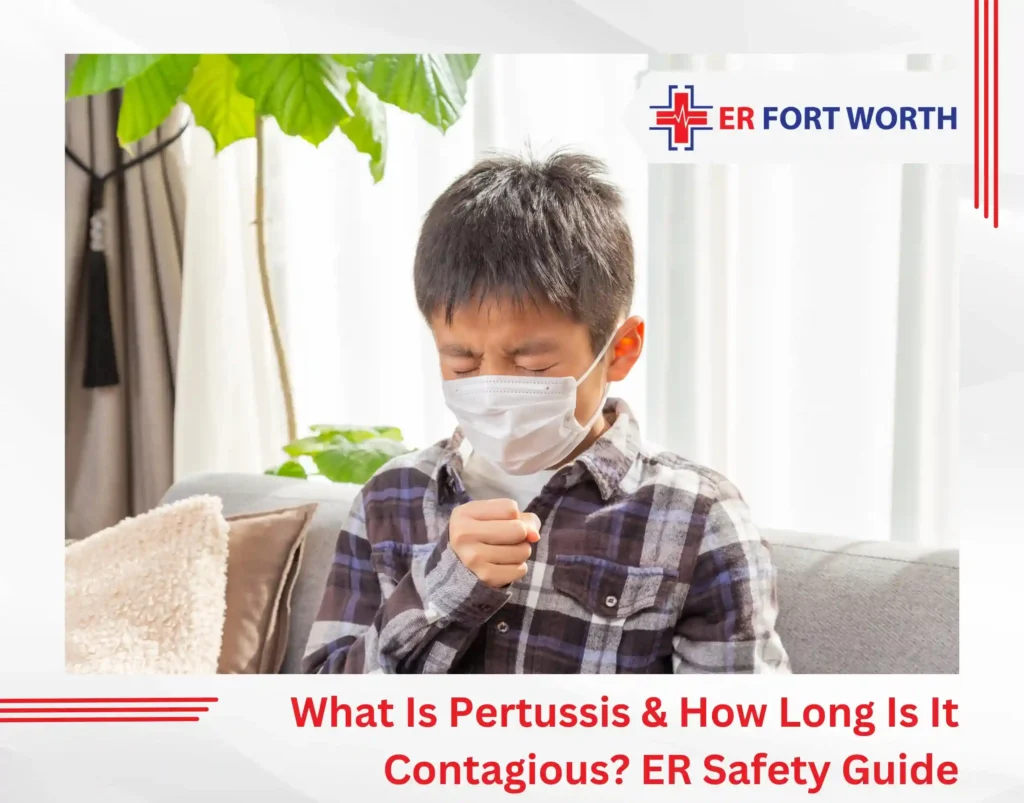
Pertussis, or whooping cough, is a bacterial respiratory infection that spreads most dangerously when symptoms still seem mild. The pertussis contagious period lasts up to three weeks, but antibiotics cut this to just five days.
Most transmission happens during the first 1-2 weeks when people mistake symptoms for a common cold. Understanding this timeline is crucial because someone can unknowingly pass whooping cough to others during what seems like a minor cold.
Let’s break down the early signs, whooping cough duration, and treatment options to stop transmission of pertussis and prevent serious complications.
Pertussis Contagious Period: The Critical Timeline
The pertussis contagious period varies based on treatment:
- Without antibiotics: Pertussis contagious period spans 21 days after coughing begins
- With antibiotics: Whooping cough duration lasts 5 days after starting treatment
Bordetella pertussis bacteria spread through airborne droplets from coughs, sneezes, or close conversation. The highest transmission risk occurs during the first 1-2 weeks (catarrhal stage) when symptoms mirror a cold: runny nose, mild cough, low fever.
Most people don’t suspect pertussis during this window. Someone might feel slightly under the weather or dismiss their symptoms as just a cold. They continue normal activities while unknowingly exposing infants, elderly relatives, and others during the most infectious window.
Why Early Testing Matters
Early testing identifies infection before widespread exposure occurs. Starting antibiotics within the first three weeks cuts the contagious window from three weeks to around five days. This protects vulnerable household members, especially infants under 12 months who often catch whooping cough from older siblings or adults who don’t know they’re sick.
Symptoms usually start 5–10 days after contact. In some cases, symptoms may appear up to 3 weeks later. The infection progresses through three distinct stages, each affecting how long pertussis remains contagious.
Pertussis Symptoms: Three Distinct Stages
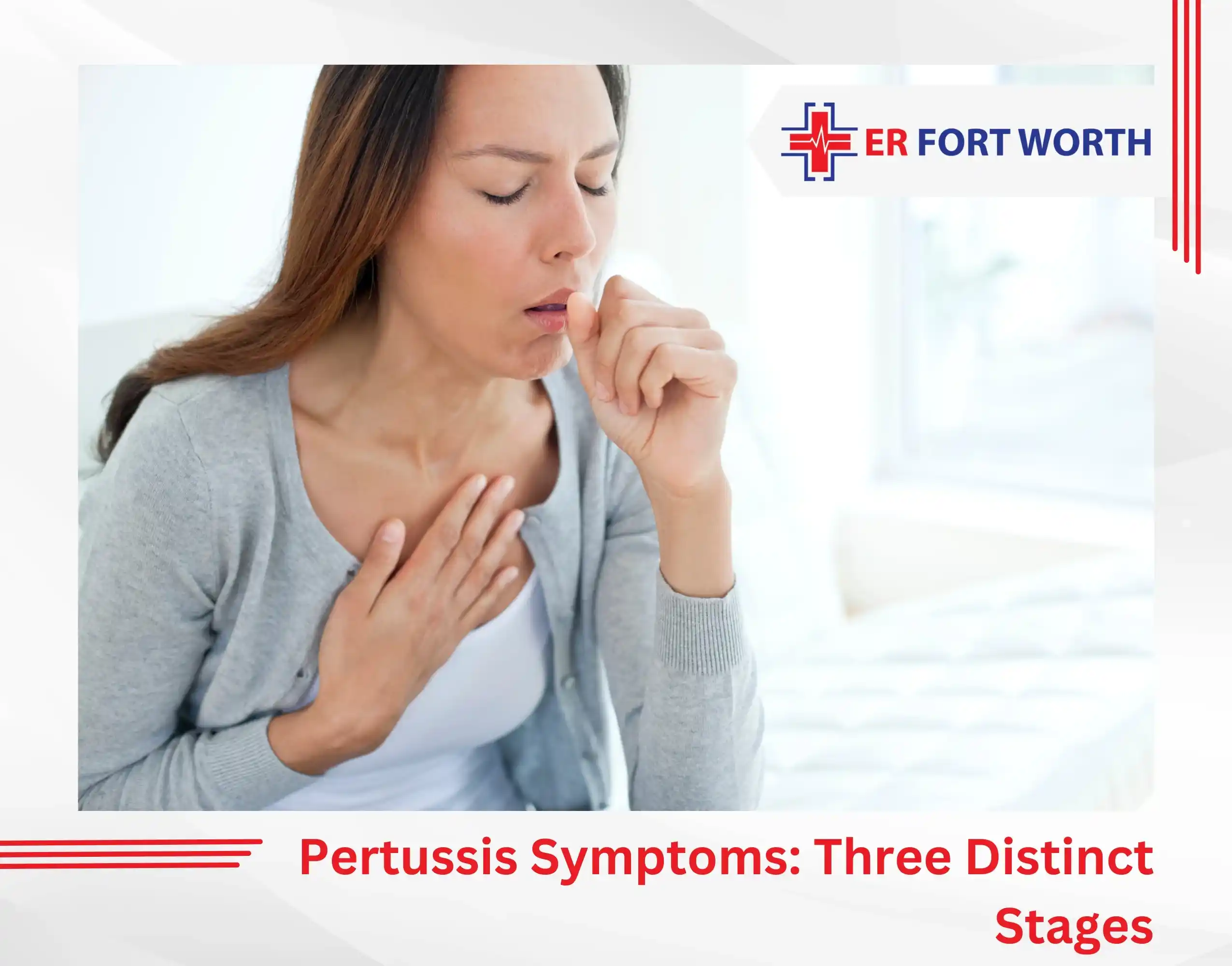
Whooping cough symptoms evolve over weeks, with each stage presenting different challenges and contagious risks.
Catarrhal Stage (1-2 weeks)
This early phase mimics a common cold:
- Runny or stuffy nose
- Mild, occasional cough
- Low-grade fever or no fever
- Sneezing and watery eyes
People are most contagious during this stage, yet symptoms seem too minor to warrant concern. The cough gradually worsens as inflammation builds in the airways.
Paroxysmal Stage (1-6 weeks, sometimes up to 10 weeks)
Severe coughing fits develop as the hallmark symptom. These paroxysms come in rapid bursts, preventing normal breathing between coughs. When the fit finally ends, the person gasps deeply for air, often creating the high-pitched “whoop” sound that gives whooping cough its name.
Other pertussis symptoms during this stage:
- Vomiting or gagging after coughing spells
- Extreme exhaustion from relentless coughing
- Face turning red or blue during fits
- Thick mucus production
Infants under 12 months may not whoop at all. Instead, they experience breathing pauses (apnea), choking episodes, or struggle to feed. The whooping cough duration typically peaks during this stage, making it the most physically draining phase.
Convalescent Stage (Several weeks to months)
Recovery begins gradually. Coughing fits decrease in frequency and intensity, though they can persist for weeks. Some people experience the “100-day cough” where symptoms linger for three months or longer.
During recovery, people are less contagious, especially if they’ve completed antibiotic treatment. However, the persistent cough can trigger again when exposed to other respiratory irritants or infections.
How Long Does Whooping Cough Last?
The whooping cough duration may last for 10 or more weeks from initial symptoms to full recovery. This extended timeline earned pertussis its historical nickname: the “100-day cough.”
Antibiotics stop transmission within five days but don’t shorten how long symptoms persist. Someone who starts treatment during week two will still cough for several more weeks, even though they’re no longer contagious. This frustrates many patients who expect antibiotics to provide quick relief.
Recovery timeline by stage:
- Catarrhal stage: 1-2 weeks of mild symptoms
- Paroxysmal stage: 1-6 weeks of severe coughing fits (sometimes up to 10 weeks)
- Convalescent stage: Several weeks of gradually decreasing cough
Factors affecting whooping cough duration:
- Age: Infants and older adults typically experience longer illness
- Vaccination status: Vaccinated individuals often recover faster with milder symptoms
- Treatment timing: Early antibiotics don’t shorten symptoms but prevent complications
- Overall health: Underlying respiratory conditions may extend recovery
Most people notice improvement around week 6-8 when coughing fits become less frequent and less severe. However, the cough may return temporarily when triggered by other respiratory infections, exercise, or cold air for several months after initial recovery.
Infants often require hospitalization during the paroxysmal stage, extending their total illness duration due to complications like pneumonia or feeding difficulties.
Who Is Most at Risk for Pertussis?
Pertussis affects all age groups differently. Some groups face higher risks.
- Infants under 12 months face the greatest danger. Their small airways struggle during coughing fits, making breathing difficult. Developing immune systems can’t fight the infection effectively. Most infant hospitalizations and deaths from whooping cough occur in babies too young to complete their vaccine series. Many catch pertussis from parents, siblings, or caregivers who don’t realize they’re contagious.
- Unvaccinated children and adults lack protection against severe infection. Without immunity, the disease progresses more aggressively and lasts longer.
- People with compromised immune systems struggle to fight off the bacteria. This includes individuals undergoing chemotherapy, organ transplant recipients, and those with chronic conditions affecting immunity.
- Adults over 65 experience complications more frequently due to age-related immune changes. The violent coughing can lead to rib fractures, fainting spells, or difficulty breathing. Existing respiratory conditions worsen during infection.
- Pregnant women need special consideration. Whooping cough during pregnancy poses risks to both mother and baby. Tdap vaccination during the third trimester (27-36 weeks) provides antibodies that protect newborns until they can receive their own vaccines at 2 months.
How Pertussis Is Diagnosed
Healthcare providers combine clinical assessment with laboratory testing to confirm pertussis infection.
Medical evaluation focuses on:
- Cough duration and characteristics (paroxysmal fits, whooping sound)
- Exposure to confirmed or suspected cases
- Vaccination history and timing of last booster
- Symptom progression through the three stages
Laboratory confirmation uses:
- Nasal or throat swab (PCR test) to detect Bordetella pertussis bacteria directly. This method works best during the first 3-4 weeks of illness when bacterial levels are highest.
- Blood tests may help in some cases, though they’re less commonly used than swab tests.
Early diagnosis allows treatment to begin before the pertussis contagious period extends to three weeks. Testing during the catarrhal stage, when symptoms still seem mild, cuts transmission significantly.
Emergency physicians at ER of Fort Worth can perform rapid testing and start antibiotics the same day if pertussis is confirmed or strongly suspected based on symptoms and exposure history.
Treatment Approach
Antibiotics eliminate the bacteria and cut the pertussis contagious period from three weeks to five days. Starting treatment within the first three weeks provides maximum benefit, though antibiotics won’t eliminate symptoms that have already developed.
Someone who begins treatment during severe coughing will still experience fits for weeks but will be non-contagious after about five days.
Supportive care to manage symptoms:
- Increased fluids to prevent dehydration from vomiting
- Rest, though severe coughing often disrupts sleep
- Close monitoring for breathing difficulties, especially in infants
- Humidifiers and avoiding smoke or dust to reduce coughing triggers
Infants need particular attention for pauses in breathing, blue-tinged skin, or feeding difficulties.
Prevention Through Vaccination and Isolation
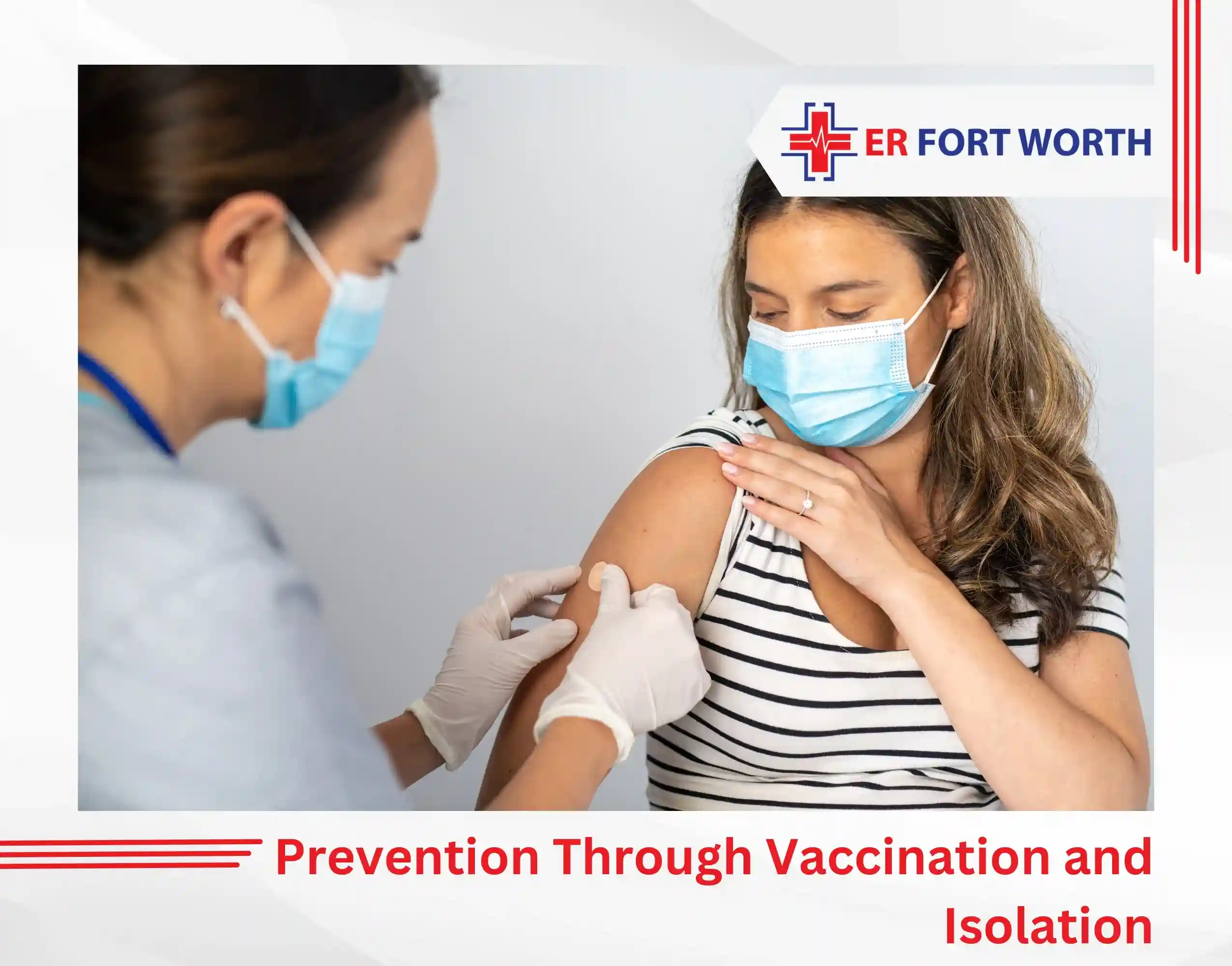
Vaccination provides the strongest defense against whooping cough. While immunity fades over time, vaccines significantly reduce infection severity and whooping cough duration when breakthrough cases occur.
Recommended vaccination schedule:
- Children: DTaP vaccine series
- Adolescents: Tdap booster
- Adults: Tdap every 10 years
- Pregnant women: Tdap during each pregnancy (27-36 weeks) to protect newborns
Isolation during the contagious period:
Stay home and isolate yourself after cough onset. Avoid contact with infants, pregnant women, and immunocompromised individuals.
Close contacts may receive preventive antibiotics, especially household members of infants or pregnant women. Monitor for symptoms during the 3 weeks following exposure and seek testing at the first sign of persistent cough.
When to Visit the ER

Most pertussis cases improve with prescribed antibiotics and home care. However, certain symptoms require immediate emergency evaluation, especially in infants and high-risk individuals.
Seek emergency care immediately for:
- Difficulty breathing or rapid, shallow breaths
- Pauses in breathing (apnea), particularly in infants
- Blue-tinged lips, face, or fingertips (cyanosis) indicating low oxygen
- Severe vomiting preventing fluid intake
- Signs of dehydration: dry mouth, minimal urination, lethargy
- Inability to catch breath between coughing fits
Infants under 12 months with any pertussis symptoms need emergency evaluation. Their condition can deteriorate rapidly, requiring oxygen therapy, IV fluids, or hospitalization. ER of Fort Worth provides rapid diagnostic testing, immediate treatment to shorten the pertussis contagious period, and monitoring for complications that require specialized care.
Adults experiencing severe symptoms like fainting, rib pain from violent coughing, or breathing struggles should also seek emergency attention rather than waiting for a primary care appointment.
Conclusion
The pertussis contagious period lasts three weeks without treatment but drops to five days with antibiotics. Early recognition of whooping cough symptoms and prompt treatment protect vulnerable populations and prevent widespread transmission.
If you or your child shows pertussis symptoms or has been exposed to whooping cough, contact ER of Fort Worth for rapid testing and treatment that cuts the contagious window significantly.
Frequently Asked Questions
1. Can adults get whooping cough even if they were vaccinated as children?
Yes, immunity from childhood DTaP vaccines can weaken over time, making adults susceptible. Booster shots (Tdap) help maintain protection.
2. How is pertussis different from a regular cough or cold?
Pertussis causes severe, repeated coughing fits that may end with a “whooping” sound, vomiting, or trouble breathing. Unlike regular coughs, it lasts longer, often 4 to 8 weeks.
3. Is it safe to go back to work or school after having pertussis?
You should stay home while you are contagious. After you have taken antibiotics for at least 5 days, or your doctor says you are no longer contagious, it is usually safe to go back.
4. Can pertussis be fatal?
Most healthy children and adults recover from pertussis, but infants and people with weakened immune systems are at higher risk of serious complications such as pneumonia, seizures, or trouble breathing. Getting ER care quickly is very important.
5. How can I protect a newborn if someone in the household has pertussis?
Keep the sick person away from the baby as much as possible. Wash your hands often and clean surfaces to lower the risk of spreading bacteria. Also, make sure the newborn is protected by maternal Tdap vaccination during pregnancy, which gives the baby antibodies to help prevent infection in the first months of life.