
Flu Symptoms are affecting people in Fort Worth or nearby areas harder and faster than expected.Sudden fever, weakness, or shortness of breath in you or a loved one in Fort Worth or surrounding areas could mean more than a cold and should be checked by a doctor.
At ER of Fort Worth, our 24/7 emergency room treats flu-related emergencies every day. If symptoms feel severe or get worse quickly, visiting our Emergency Services team early can help prevent serious health problems.
Flu Symptoms: Common Signs to Watch For

Flu symptoms often start suddenly and can make daily activities difficult within a few hours. Many Symptoms of the flu in adults include fever, body aches, and extreme fatigue.
Flu symptoms in adults
- High fever (often above 101°F)
- Severe body aches and muscle pain
- Extreme tiredness or weakness
- Dry or persistent cough
- Sore throat
- Headache
- Chills and sweating
- Runny or stuffy nose
In Flu Symptoms, many adults say they feel drained for several days, even before their breathing or cough starts to get better.
Flu Symptoms – When to Visit the ER
Anyone with the following Symptoms of the flu should visit the ER immediately.
Emergency warning signs in adults
- Trouble breathing or shortness of breath
- Chest pain or pressure
- Confusion or difficulty staying awake
- Severe dizziness or fainting
- Fever lasting more than 3 days
- Symptoms that improve, then suddenly worsen
Emergency warning signs in children

- Fast or labored breathing
- Bluish lips or face
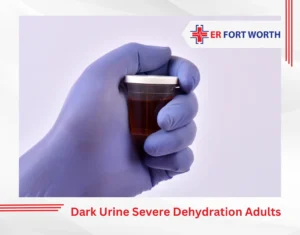
- Not drinking fluids or signs of dehydration
- Extreme irritability or unresponsiveness
- Fever with rash
High-risk patients
People who are over 65, young children, pregnant individuals, and those with asthma, heart disease, diabetes, or weak immune systems should seek ER care sooner if Flu Symptoms feel moderate or severe.
Flu vs Cold Symptoms

Understanding flu vs cold symptoms can help you decide if you need emergency care.
- Flu: Start suddenly, high fever, strong body aches, extreme tiredness
- Cold: Comes on gradually, mild fever or no fever, runny nose, mild tiredness
If symptoms come on fast and feel severe, it is more likely the flu.
COVID vs Flu Symptoms
Covid vs flu symptoms can have very similar symptoms. Both can cause:
- Cough
- Fatigue
- Body aches
COVID may also cause:
- Loss of taste or smell
- Symptoms that last longer
Because treatment and risks differ, medical testing and evaluation are often needed to confirm the cause and prevent complications.
Severe Flu Symptoms: Do Not Ignore These Signs
Even mild flu symptoms can become dangerous within a few hours. Severe Flu Symptoms such as shortness of breath, chest pain, confusion, or dehydration should always be treated as a medical emergency.
What to Do Next in Fort Worth
If you are experiencing Flu Symptoms, ER of Fort Worth offers:
- 24/7 emergency care with minimal wait times
- On-site laboratory services for rapid flu and illness testing
- Immediate treatment for breathing problems, dehydration, and flu complications
Visit our Emergency Services page if symptoms feel severe or are getting worse instead of better.
Local Emergency Care You Can Trust

If you or a loved one is experiencing symptoms of flu in Fort Worth, Watauga, Southlake, Colleyville, North Richland Hills, Bedford, Hurst, Richland Hills, or Grapevine, our emergency room is open 24/7.
📍 4561 Heritage Trace Parkway, Suite 117, Fort Worth, TX 76244
📞 Call: 817-945-4200