
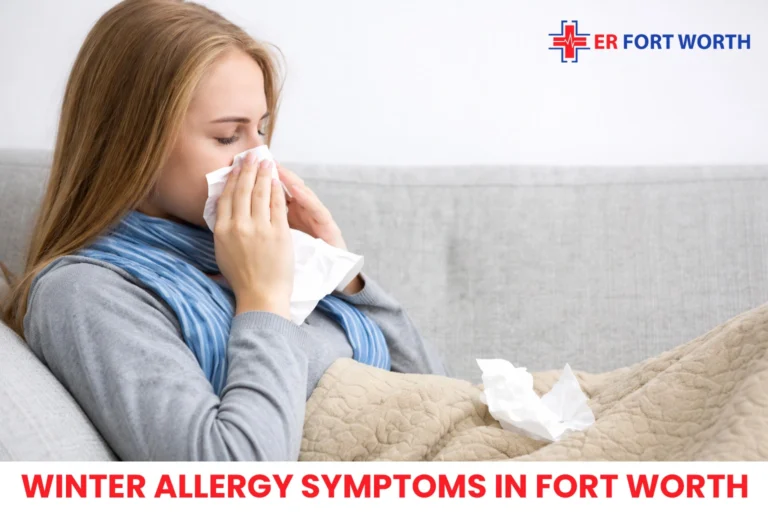
Every winter in North Texas, Cedar Fever arrives suddenly and can feel overwhelming. One day you feel normal, and the next you’re battling intense congestion, sneezing, fatigue, and sinus pressure that can make daily life miserable. For many people in Fort Worth and nearby communities like Keller, Alliance, Watauga, Saginaw, Haslet, Euless, Grapevine, and NRH, it is far more severe than typical seasonal allergies.
Because this seasonal allergy often overlaps with cold, flu, and COVID season, many people ignore symptoms or try to push through them. While this winter allergy is not an infection, it can trigger severe allergic reactions, asthma flare-ups, and breathing complications that may require emergency care.
This guide explains what Cedar Fever is, how to recognize it, what actually helps, and when it becomes a medical emergency.
What Is Cedar Fever?
It is a seasonal allergic reaction caused by exposure to mountain cedar pollen, also known as Ashe juniper. Despite its name, this allergic reaction does not cause a true fever and is not contagious. It is an immune response that occurs during the Texas cedar season, typically from December through February.
North Texas experiences especially high pollen levels due to widespread cedar trees, strong winter winds, and dry air. This combination makes the allergy symptoms more intense in Fort Worth than in many other parts of the country.
Why Cedar Fever Is So Severe in Fort Worth
cedar pollen exposure affects Fort Worth and the surrounding DFW area more intensely because of:
- High concentrations of mountain cedar pollen
- Windy winter cold fronts that spread pollen over long distances
- Dry indoor heating that irritates nasal passages and airways
- Overlap with winter respiratory illnesses
Many residents notice symptoms worsen after windy days or sudden temperature drops, which are common during the Texas cedar season.
Cedar Fever Symptoms
Symptoms of this allergy affect the nose, eyes, throat, and sinuses, but some people experience lower respiratory symptoms as well. Hi
Common symptoms that patients may experience include:
- Severe nasal congestion
- Runny nose and postnasal drip
- Sneezing fits
- Itchy, watery, or burning eyes
- Sinus pressure or headaches
- Sore throat from drainage
- Fatigue or brain fog
Many Fort Worth residents mistake these symptoms for a cold and delay proper care.
In more severe cases symptoms that may become serious
Some people develop symptoms that go beyond typical allergies, including:
- Persistent coughing
- Chest tightness
- Wheezing
- Difficulty sleeping due to breathing discomfort
People with asthma, COPD, or heart conditions may be at higher risk for complications.
Cedar Fever vs Cold vs Flu vs COVID: How to Tell
During winter in North Texas, it can be difficult to tell what’s causing your symptoms.
| Symptom | Cedar Fever | Cold | Flu | COVID |
| Fever | Rare | Sometimes | Common | Common |
| Sneezing | Very common | Sometimes | Rare | Rare |
| Itchy eyes | Common | Rare | Rare | Sometimes |
| Body aches | Mild | Mild | Severe | Moderate |
| Congestion | Severe | Moderate | Mild | Variable |
| Onset | Sudden, pollen-related | Gradual | Sudden | Variable |
A helpful clue is that seasonal reactions symptoms often worsen outdoors and improve slightly indoors, while infections usually do not.
At-Home Cedar Allergy Relief: What Helps and What Doesn’t

What helps
Mild to moderate allergy relief may improve with:
- Daily non-drowsy antihistamines
- Intranasal steroid sprays used consistently
- Saline nasal rinses
- Showering and changing clothes after outdoor exposure
- HEPA air filters indoors
- Keeping windows closed during peak pollen days
These measures are commonly part of conservative symptoms’ treatment.
What doesn’t help
- Antibiotics (this allergy is not an infection)
- Inconsistent medication use
- Leaving windows open during cedar season
- Ignoring worsening symptoms
If symptoms continue to worsen despite home care, medical evaluation is recommended.
Cedar Fever and Breathing Problems

Airway inflammation from allergies
It can inflame the airways and trigger asthma-like reactions. If breathing feels tight, labored, or uncomfortable, this should not be ignored.
If breathing symptoms are present, learn more about evaluation and care at our
Shortness of Breath ER in Fort Worth page.
When Cedar Fever Becomes an Emergency
Seek immediate ER care if you experience:
- Severe difficulty breathing
- Persistent wheezing or chest tightness
- Swelling of the lips, tongue, or throat
- Blue lips or fingertips
- Dizziness, fainting, or confusion
- Rapidly worsening symptoms
These may indicate a severe allergic reaction or airway complication. For additional guidance, read our article on
severe allergic reactions.
ER vs Urgent Care vs Primary Care for this allergy
Primary care or allergy clinic
- Long-term allergy management
- Medication adjustments
Urgent care
- Mild to moderate symptoms without breathing issues
Emergency room
- Breathing difficulty
- Chest tightness or wheezing
- Severe allergic reactions
- Symptoms worsening rapidly
You can learn more about emergency decision-making at
reasons to go to the emergency room.
What We Can Do During a 24/7 ER Visit
ER of Fort Worth is a state-licensed free-standing emergency room offering 24/7 care, zero wait times, and no surprise billing.
During this allergy–related ER visit, our team may:
- Monitor oxygen levels and vital signs
- Evaluate breathing and airway function
- Provide breathing treatments when appropriate
- Treat severe allergic reactions
- Rule out complications such as asthma exacerbations
Learn more about our full range of
24/7 emergency services in Fort Worth.
Tips for Reducing Cedar Fever Exposure in Fort Worth
If you live in Fort Worth or nearby communities:
- Check daily pollen forecasts
- Avoid outdoor activities on windy cedar days
- Use air filters at home
- Change clothes after being outdoors
- Keep car air vents on recirculate
For general allergy education, trusted resources include the
American College of Allergy, Asthma & Immunology (ACAAI) and the
American Academy of Allergy, Asthma & Immunology (AAAAI).
We proudly serve Fort Worth, Keller, Alliance, North Fort Worth, Watauga, Saginaw, Haslet, Euless, Grapevine, and NRH with zero wait times and no surprise billing.
Explore more health resources on our blog.