

A post flu cough is a common reason patients come into Fort Worth ER after they felt they were already recovering. Most often it’s part of the body’s healing process, but sometimes it signals...

You ate something hours ago, maybe undercooked chicken, a suspect salad, or leftovers that sat out too long. Now you’re doubled over with cramps, racing to the bathroom, wondering if this is...

Streptococcal pharyngitis symptoms most of the time start suddenly, and in Fort Worth ERs, we see patients every week who are confused if their is “just a cold” or something more serious. Knowing...
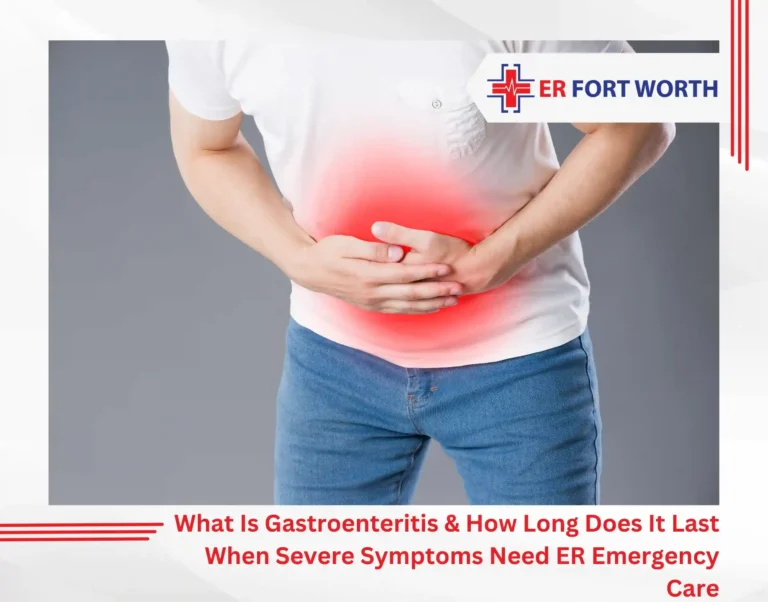
This shocks many people: gastroenteritis is highly contagious, and you still spread the virus even after your symptoms improve. When vomiting or diarrhea slows down, people assume the illness is over...

Mosquito borne diseases are something we regularly see in Fort Worth ERs, especially during North Texas heat waves and late summer months. In the emergency room, these illnesses often start with vague...
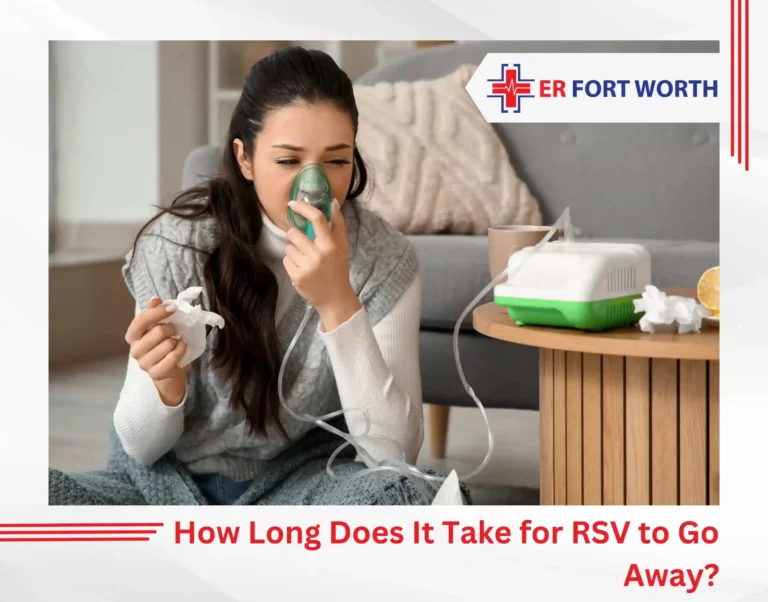
RSV usually clears up within 1 to 2 weeks, though a cough may last up to 3 weeks. Babies under 6 months or those with other health issues may have a longer recovery. RSV is one of the most common...

Quick Glance ● Condition: Depression that follows a seasonal pattern ● Prevalence: ~5% of U.S. adults, more common in women ● Typical onset: Late fall through winter ● Episode...

If you are feeling sick and wondering if it is COVID-19 or the Flu can be mentally exhausting , especially when symptoms hit fast. In Fort Worth and across Tarrant County, both COVID-19 and Flu are...
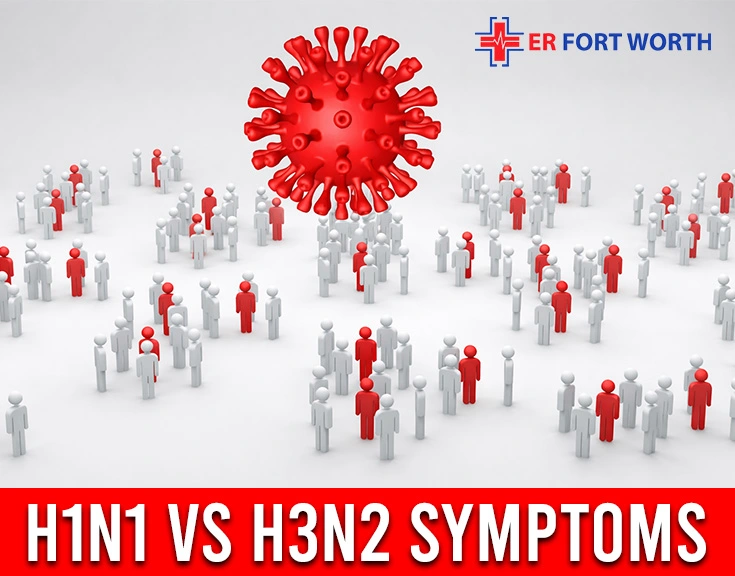
It usually starts fast. One day you feel fine, the next you’re dealing with fever, aches, and deep exhaustion. H1N1 vs H3N2 symptoms can feel intense and confusing, especially when you’re not sure...