RSV usually clears up within 1 to 2 weeks, though a cough may last up to 3 weeks. Babies under 6 months or those with other health issues may have a longer recovery.
RSV is one of the most common causes of respiratory infections worldwide. Nearly everyone is infected with Respiratory Syncytial Virus at least once by the age of two.1 Many people experience it multiple times throughout their lives.
Since RSV is so common, it’s important to understand How Long Does It Take for RSV to Go Away. Knowing the Respiratory Syncytial Virus timeline helps you recognize when coughing, fatigue, or breathing issues are part of the healing process and when not.
It also helps parents decide when it’s safe to send their child back to daycare or school. Let’s see how long it takes for Respiratory Syncytial Virus to go away, which symptoms to watch for, and when to visit the ER Fort Worth.
What Is RSV and Why Does It Take Time to Resolve?
RSV (Respiratory Syncytial Virus) is a contagious respiratory infection that must run its course. There is no medication that instantly eliminates it, which is why how long it takes for Respiratory Syncytial Virus to go away depends entirely on the immune system’s ability to fight it off.
Like most respiratory viruses, it damages the lining of the airways, causing inflammation, mucus production, and coughing. The airways remain irritated long after the virus is gone, and that is the reason for the lingering cough.
Most of the time, Respiratory Syncytial Virus causes mild cold symptoms, but sometimes it can make breathing harder, especially for young children.
Common Symptoms of RSV
- Runny nose
- Cough
- Mild fever
- Wheezing or noisy breathing
- Irritability or difficulty feeding (especially in infants)
How Long Does it Take for RSV to Go Away in Infants and Adults?
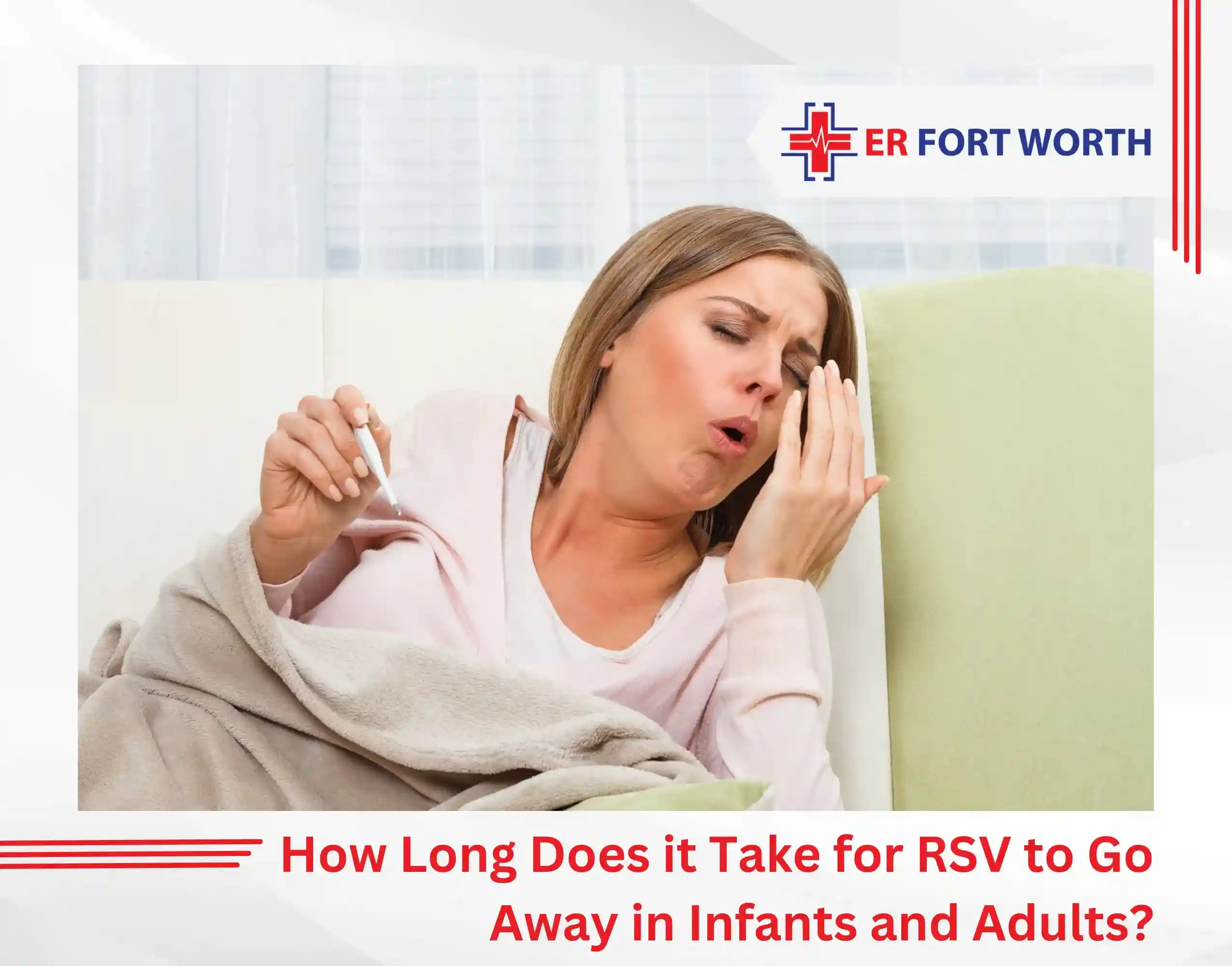
Respiratory Syncytial Virus follows a certain pattern, but how long it lasts depends on age and health.
- Infants under 6 months: RSV can take up to 2 weeks or sometimes a bit more in infants. Their symptoms can last a little longer, since their airways are smaller and their immune systems are still developing.
- Older children: Healthy children and adults recover faster, with most symptoms resolving in 7 to 10
- Adults: Most recover in 1–2 weeks and rarely have serious problems.
What Are the Stages of RSV Recovery?
You come into contact with Respiratory Syncytial Virus (through droplets, surfaces, or close contact), and the virus starts multiplying inside your respiratory tract. RSV tends to go through a few stages.
1. The Incubation Period
The RSV incubation period is the time between exposure and the first symptom, and there are NO symptoms during this time.
When the first symptom appears, it marks the end of the incubation period.
- Incubation = virus multiplying silently
- Symptoms = immune response starting
Important: Although you don’t feel any symptoms, you can still spread RSV during the incubation period.
How Long Is the RSV Incubation Period?
- Shortest: 2 days
- Most common: 4–6 days
- Longest: up to 8 days
2. Early Phase (Days 1–3 with Symptoms)
The early phase of Respiratory Syncytial Virus begins once the incubation period is over and symptoms appear. Initial symptoms are usually mild and resemble a common cold. These may include:
- Runny nose
- Mild fever
- Sneezing
- Mild cough
- Sore throat
- Slight irritability
- Decreased appetite (especially in infants)
For many healthy adults, RSV never progresses beyond this stage.
Tip: Most babies can get through these early symptoms at home with plenty of rest, fluids, and a watchful eye.
3. Peak Illness Phase (Days 3–7)
Symptoms often worsen between days 3 and 7, which is when RSV is most dangerous for high-risk individuals. Common symptoms at this stage include:
- Persistent or worsening cough
- Wheezing
- Rapid or labored breathing
- Fever
- Irritability or lethargy in infants
In young children, Respiratory Syncytial Virus can lead to bronchiolitis (inflammation of the small airways) or pneumonia, which require medical attention.
4. Recovery Phase (Days 8–14)
For most people, RSV symptoms begin to improve after about one week.
- Nasal congestion clears
- Breathing becomes easier
- Fever resolves
- Baby becomes more alert and feeds normally
However, the cough often lingers
- Mild cases: Full recovery in 7–10 days
- Moderate cases: Recovery in 10–14 days
Signs RSV Is Not Going Away Normally
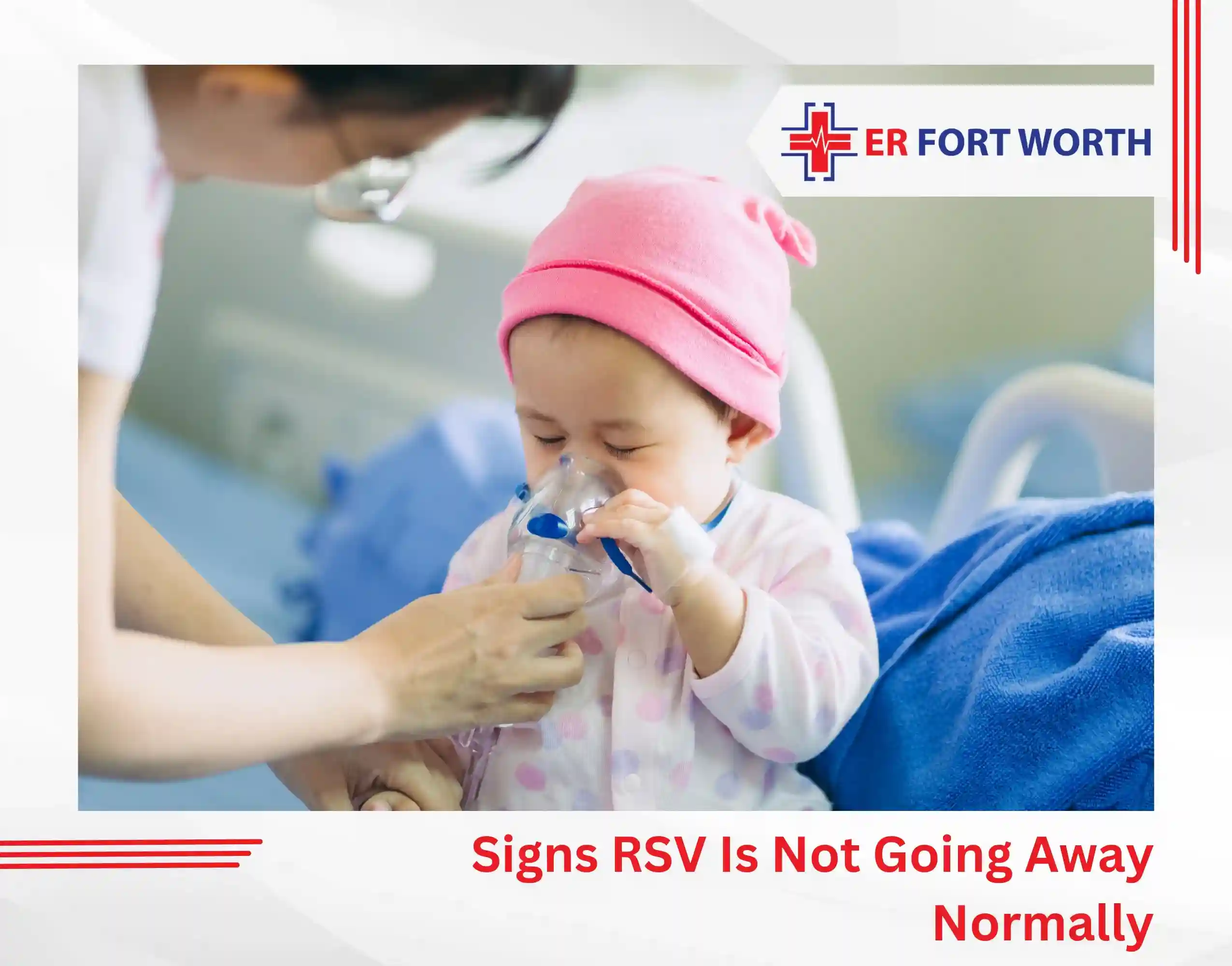
It’s normal for a cough to stick around, but get medical help if your baby shows the following symptoms:
- Has trouble breathing or wheezing
- Shows signs of dehydration (fewer wet diapers, dry lips)
- Has a high fever unresponsive to medication
- Blue lips or fingernails
- Symptoms lasting longer than 3 weeks
Who Is Most at Risk of Longer Recovery?
Some people are more likely to have severe Respiratory Syncytial Virus symptoms or complications:
- Premature babies: Their lungs are not fully developed, which can make breathing harder.
- Infants under 6 months: They have smaller airways and their immune systems are still developing.
- Older adults: Weaker immune systems and existing lung problems can increase risk.
- People with weakened immune systems: They have a harder time fighting infections.
Can RSV Come Back?
Yes. RSV does not provide lifelong immunity. People can get Respiratory Syncytial Virus multiple times, even within the same year. However, repeat infections are usually milder, except in older adults or immunocompromised individuals.
What Helps RSV Go Away Faster?
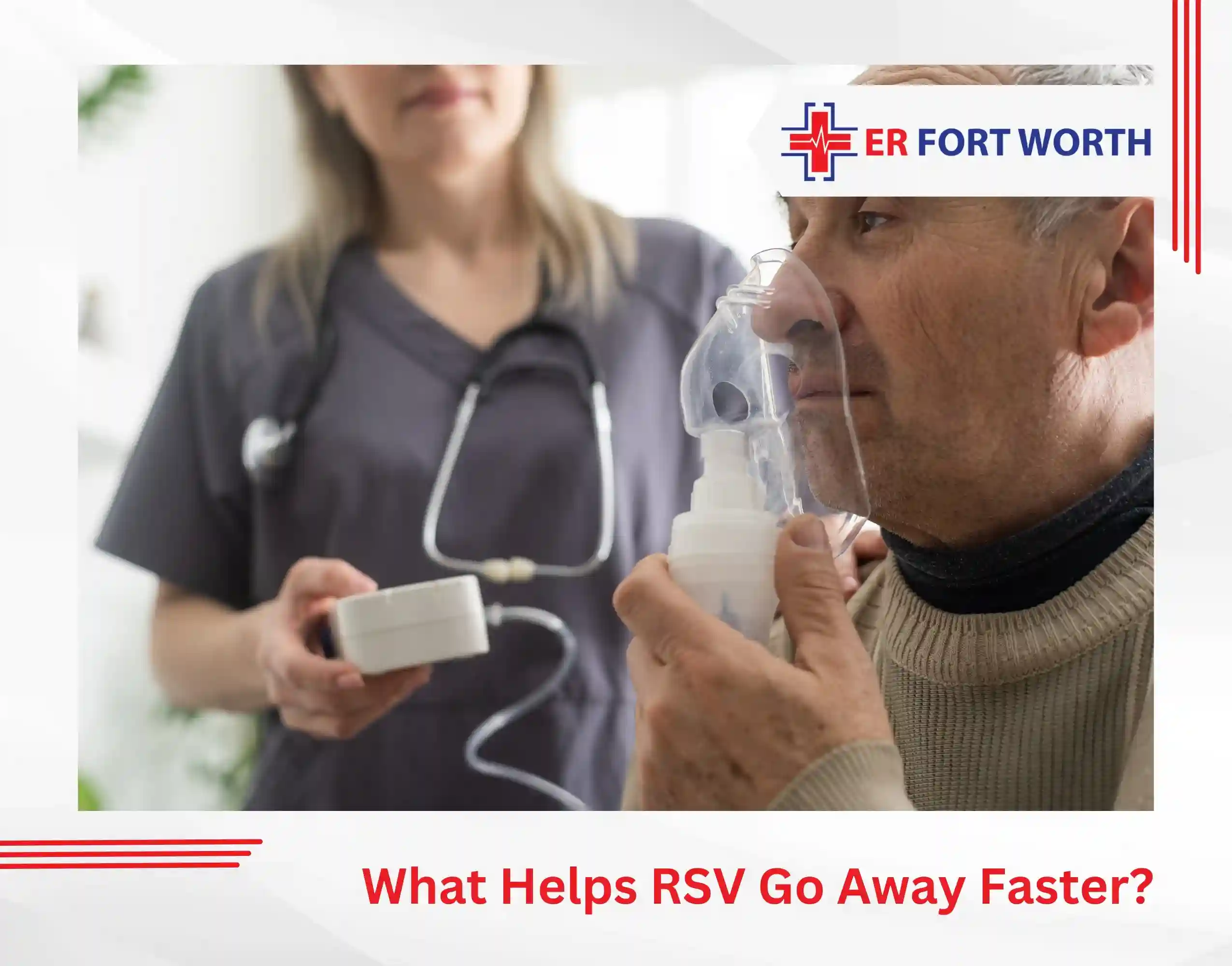
Most kids recover from RSV with care at home. Here’s how:
Hydration and Rest
- Give infants breast milk or formula often.
- Encourage older children to drink water or electrolyte drinks.
- Help your child get plenty of rest so their body can fight off the virus.
Saline Drops and Suction for Infants
- Use saline drops to loosen nasal mucus.
- Gently clear your baby’s nose to help them breathe more easily, especially before they eat or sleep.
Monitoring Fever
- Check your child’s temperature often.
- Use age-appropriate fever reducers if recommended by a pediatrician.
- Keep an eye out for a high or persistent fever.
Avoiding Exposure to Others
- Wash your hands thoroughly before and after touching your child.
- Clean toys, surfaces, and bedding often.
- Try to keep your child away from other kids, especially babies and anyone at higher risk.
Over-the-Counter Medications
- Do not give cough or cold medicines to children under 6 years old unless your doctor says it is okay.
- Follow your pediatrician’s advice for using fever reducers or other medicines safely.
Antibiotics do not work against RSV unless there is a secondary bacterial infection.
Final Thoughts
You can manage RSV effectively and get timely care when you know how long Respiratory Syncytial Virus symptoms last. If the symptoms extend beyond the expected recovery timeline, reach out to the ER of Fort Worth.
We’re available 24/7 to manage Respiratory Syncytial Virus symptoms. If breathing is labored, we provide supplemental oxygen immediately. When a patient has a history of asthma, heart disease, lung disease, or immune compromise, we adjust treatment accordingly.
ER Fort Worth uses onsite imaging and lab testing to look for pneumonia, lung inflammation, or airway issues. This makes sure nothing is overlooked.