
That burning, urgent feeling is not something you should have to push through alone, and you do not have to.
Walk in to ER of Fort Worth right now, or use our fast online check-in and we will be ready when you arrive.
A urinary tract infection can go from deeply uncomfortable to genuinely dangerous faster than most people realise. If you’re dealing with painful urination, pelvic pressure, or the urgent need to go every few minutes, you may be experiencing a urinary tract infection, one of the most common bacterial infections treated in emergency rooms across Fort Worth, TX. Left untreated, a UTI can spread from the bladder to the kidneys and, in serious cases, enter the bloodstream.
At ER of Fort Worth, our board-certified emergency physicians are available 24 hours a day, seven days a week, every single day of the year. No appointment. No referral. And because we run our own on-site laboratory, we can confirm your diagnosis and begin UTI treatment in the same visit, not days later.

A urinary tract infection is a bacterial infection that occurs anywhere along the urinary system, most commonly in the bladder (cystitis), but also in the urethra (urethritis) or kidneys (pyelonephritis). Women are significantly more susceptible than men due to anatomical differences, but UTIs affect people of every age and gender. According to the National Institutes of Health, UTIs account for more than 8 million physician visits per year in the United States, making them one of the most frequently treated outpatient bacterial infections in medicine
Most UTIs develop quickly and the symptoms are hard to miss. If you are experiencing any of the following, your body is telling you something is wrong:
Painful or burning urination (dysuria) : A sharp, stinging sensation during urination is the hallmark symptom of a lower UTI and should not be attributed to dehydration alone.
Frequent and urgent need to urinate : Feeling like you need to go constantly, even when your bladder is nearly empty, signals that the bladder lining is irritated by bacterial infection.
Cloudy or discoloured urine : Urine that appears murky, dark, or brownish can indicate bacterial presence and white blood cells, signs your body is fighting an infection.
Strong or foul-smelling urine : A distinctly unpleasant odour, particularly one that seems sudden, is a common indicator of active bacterial growth in the urinary tract.
Pelvic pressure or lower abdominal cramping : A feeling of heaviness or pressure in the lower abdomen, especially around the bladder, often accompanies moderate to severe bladder infections.
Blood in the urine (haematuria) : Pink, red, or cola-coloured urine means blood is present. This is never normal and always warrants prompt evaluation, even if other symptoms seem mild.
Fever or chills : Any fever alongside urinary symptoms is a serious warning sign that the infection may be spreading beyond the bladder.
Pain in the lower back or sides (flank pain) : Aching in your flank, beneath the ribs on either side of the spine, often means the infection has reached the kidneys and requires immediate emergency evaluation

Most UTIs are caused by bacteria, specifically Escherichia coli (E. coli), that enter the urethra and travel upward into the bladder. This accounts for the vast majority of cases. Other bacteria, including Klebsiella pneumoniae and Staphylococcus saprophyticus, are responsible for a smaller percentage of infections.
Certain factors significantly increase a person’s risk. Women are more vulnerable than men because of a shorter urethra, which gives bacteria a shorter path to the bladder. Sexual activity can introduce bacteria into the urinary tract. Menopause, pregnancy, urinary catheter use, diabetes, a history of kidney stones, and urinary tract abnormalities all raise the likelihood of infection. In the Fort Worth–DFW area, where heat-driven dehydration is common for much of the year, inadequate fluid intake is another underappreciated risk factor, concentrated urine creates a better environment for bacterial growth.
Here is where it matters most to pay attention. A straightforward lower UTI, confined to the bladder, is uncomfortable but manageable. The moment certain symptoms appear, the situation changes, and fast emergency evaluation is no longer optional
Fever above 101°F (38.3°C) is a critical threshold. When a UTI causes fever, it is almost always a sign the infection has advanced beyond the bladder and is involving the kidneys, a condition called pyelonephritis. Kidney infections require more aggressive treatment than a simple bladder infection, and attempting to manage them with over-the-counter pain relievers or waiting for a primary care appointment can allow the infection to spread further and faster.
Severe flank pain, especially if it radiates from the back around to the front, combined with nausea or vomiting is a combination that should send you to an emergency room, not a pharmacy. The inability to keep fluids down makes oral antibiotics ineffective, meaning IV treatment is the only reliable path to recovery. At that stage, urgent care and telehealth cannot give you what you need.
Other red-flag signs include shaking chills, confusion or disorientation (particularly in older adults), pain severe enough to interfere with normal movement, and any urinary symptoms in a pregnant woman. These situations are not ones to wait out. And if you tried treating a UTI at home or with a previous prescription that did not resolve symptoms, that pattern of antibiotic resistance deserves immediate ER evaluation.

Visit ER of Fort Worth now, open 24/7, no appointment needed.
Yes, and this is the part that most people do not know until it happens to them or someone they love.
An untreated or inadequately treated UTI can progress through a predictable but dangerous chain of events. Bacteria in the bladder climb to the kidneys, causing pyelonephritis. From the kidneys, bacteria can enter the bloodstream in a condition called bacteraemia, and from there, the immune system’s response can become overwhelming, triggering sepsis and, in the most severe cases, septic shock. According to the Urology Care Foundation, urosepsis, sepsis originating from a urinary source ,accounts for approximately 25% of all sepsis cases. Sepsis is a medical emergency with a mortality rate that climbs the longer treatment is delayed.
Not every UTI reaches this point. But certain people are at substantially higher risk of rapid escalation: adults over 65, pregnant women, individuals with diabetes or other immune-suppressing conditions, people with kidney abnormalities or a history of recurrent UTIs, and anyone who has recently used a urinary catheter. In these populations especially, what starts as a mild burning sensation can shift into a life-threatening situation within hours if not treated at the appropriate level of care.
The reassuring truth is that with fast, proper emergency uti treatment, the kind available at ER of Fort Worth, serious outcomes are highly preventable. When we diagnose a kidney infection or signs of early sepsis, we begin IV fluids and IV antibiotics immediately, right here in our facility. We do not send you somewhere else. We do not wait for outside lab results. We act. That speed is exactly why coming to a board-certified emergency room makes a meaningful difference when a UTI has escalated.

From the moment you walk in, or arrive after checking in online, our team moves quickly. You’ll be seen by a board-certified emergency physician, and the diagnostic process begins right away. Because every test we run is done in our own on-site laboratory testing , results come back in minutes rather than the hours or days you would wait if samples were sent to an outside facility.
For UTI evaluation, our physicians typically use a combination of the following tests, all performed on-site during your same visit:
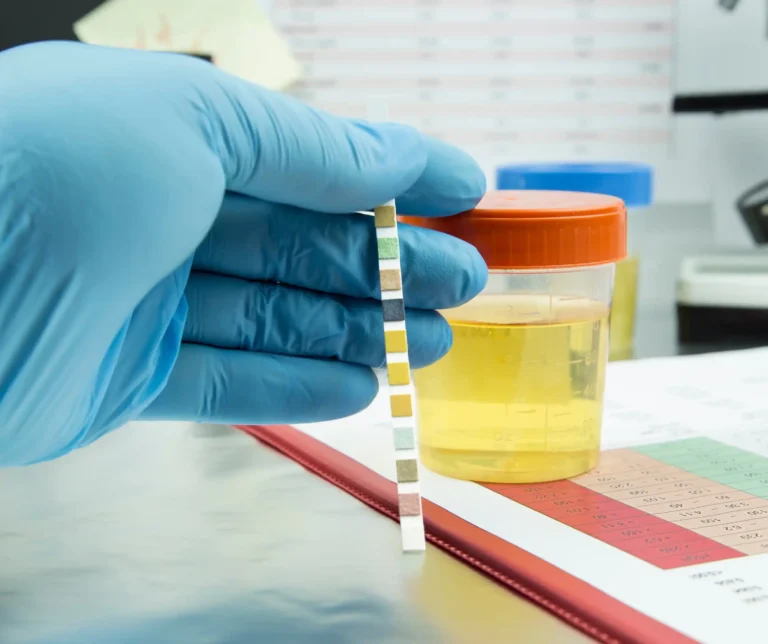
A rapid test of your urine sample that looks for white blood cells, red blood cells, bacteria, and nitrites. This gives us a strong initial indication of whether a bacterial infection is present and how your body is responding

Identifies the specific bacteria causing your infection and determines which antibiotics will be most effective. Particularly important when a previous antibiotic course did not clear the infection.

Evaluates white blood cell levels to assess the severity of your immune response and screen for signs of systemic infection.
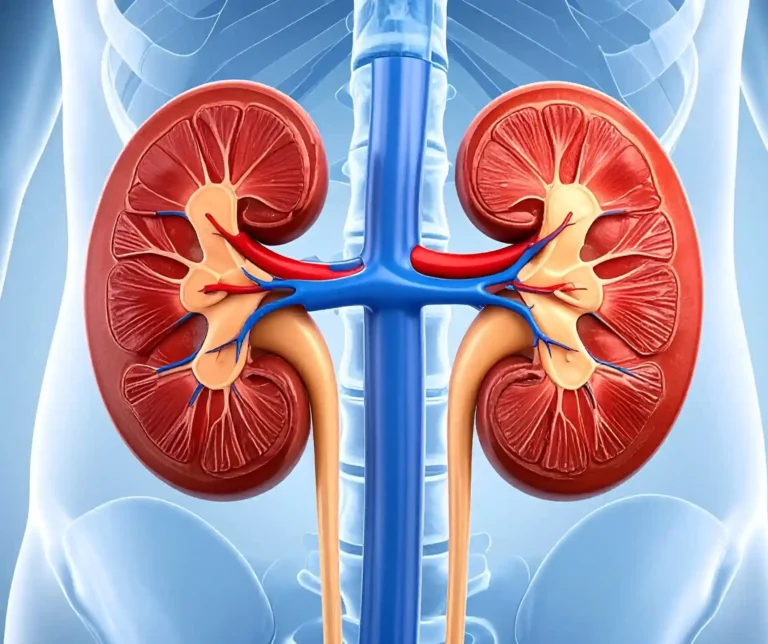
Checks kidney function, which is critical when pyelonephritis or sepsis is suspected, as inflamed kidneys may not be filtering waste properly.
Our on-site laboratory testing means you receive a confirmed diagnosis before you leave, not a ‘we’ll call you when results come back’ situation.
Treatment depends on what our diagnostic workup reveals, and we are prepared for the full range of presentations. For uncomplicated bladder infections, a course of targeted oral antibiotics, selected based on your culture results and local resistance patterns, is often effective. But when your infection has spread to the kidneys, when you cannot tolerate oral medications due to vomiting, or when your symptoms are severe, IV antibiotic treatment is the appropriate intervention. We administer IV antibiotics and IV fluids directly in our facility, meaning you begin receiving treatment-level medication immediately, not after a pharmacy trip and a night of deteriorating symptoms.
Most patients feel meaningful relief within hours of receiving IV antibiotic therapy. Our physicians will also provide a comprehensive discharge plan, including oral antibiotic prescriptions where appropriate, follow-up guidance, and clear instructions on which symptoms should prompt a return visit. You will leave knowing exactly what to watch for.
For cases where we suspect kidney stones contributing to urinary obstruction, which can cause or worsen a UTI, our imaging services are available on-site, including CT scan and ultrasound, without the need for transfer to a hospital.

UTIs sometimes present alongside other conditions, and our team is fully equipped to evaluate the complete picture. We provide emergency care for a broad range of related conditions, including:

ER of Fort Worth provides pediatric emergency care for children of all ages, and UTIs in children deserve special attention. Young children, particularly those under two years old, may not be able to describe urinary symptoms and instead present with fever, irritability, poor feeding, or vomiting. Older children may complain of tummy pain, painful urination, or bedwetting after having been dry. If your child has an unexplained fever or seems unusually unwell alongside any urinary changes, our physicians are experienced in paediatric evaluation and will assess them with the same urgency and care as any adult patient
It is a fair question, and you deserve a straight answer rather than one designed just to sell you on our services.
Urgent care centres handle mild, uncomplicated UTIs reasonably well, if you have classic symptoms, no fever, no flank pain, and no history of recurrent infections, a walk-in urgent care may be able to prescribe oral antibiotics that resolve the infection. That is a legitimate option for the right patient at the right point in their illness.
But urgent care has real limitations, and they matter a great deal the moment a UTI becomes more than mild. Most urgent care centres cannot administer IV antibiotics or IV fluids on-site. Most do not have the imaging equipment to evaluate kidney involvement. Many send lab samples to outside facilities and call you the next day, which is not fast enough when you are vomiting, running a 103°F fever, or shaking with chills. And if your urgent care closes at 8 PM, you are left with no option except a hospital emergency room at 2 AM.
A freestanding ER like ER of Fort Worth occupies a different tier of care. We can do everything urgent care can do, and we can do everything a hospital ER can do, but without the 4-hour wait in a crowded waiting room. If your UTI has escalated, if you have a fever, if oral antibiotics have not worked before, or if you are pregnant, immunocompromised, or over 65, choosing an ER is not an overreaction. It is the appropriate level of care, and choosing it early is always safer than waiting until the situation becomes critical.
Still unsure? Call us at (817) 945-4200, our team can help you figure out the right level of care in seconds.

Every single hour of every single day, a board-certified emergency medicine physician is on duty at ER of Fort Worth. That is not a marketing statement, it is a staffing commitment. Emergency medicine is a speciality with its own board certification, and it requires experience across the full spectrum of illness from the minor to the critical. When you walk in at 2 AM with a 103°F fever and back pain that has you doubled over, you want someone who has seen this before, because our physicians have.
Our diagnostic capability is what truly sets the experience apart. We run our own laboratory. Results do not go to an outside processing facility and come back the next morning. They come back during your visit, which means your physician can confirm your diagnosis, identify the specific bacteria causing your infection, and begin targeted treatment before you leave. And if imaging is needed, a CT scan to rule out a kidney stone, or an ultrasound to assess kidney swelling, we have it here, ready to use.
Patients often tell us they were surprised by how calm and manageable the experience felt. ER of Fort Worth is not a hospital emergency room. There is no overcrowded waiting area, no gurney in a corridor, no hours of waiting while more critical cases are prioritised ahead of you. It is a clean, comfortable, efficient facility built for the kind of focused emergency care that most patients need. You are seen quickly, treated by a physician who knows your case, and discharged with a clear plan.
We also accept most major insurance plans, and our team can walk you through your coverage before your visit so there are no surprises on the back end. If you want to know more about our facility and how we operate, our about page has the full picture
When you’re in pain or worried about someone you love, hearing from people who have been in your exact situation matters. These are real experiences from patients we’ve had the privilege of caring for across Fort Worth and the greater DFW area.
“I came in at 2 AM with severe back pain and what I thought was just a bad UTI. Within 20 minutes I had lab results, a diagnosis of a kidney infection, and IV antibiotics already running. The physician explained everything clearly and I left feeling genuinely taken care of. I won’t go anywhere else.” Sarah M., Fort Worth, TX
“I’d been trying to manage a UTI on my own for two days and it kept getting worse. A friend told me about the ER of Fort Worth and I walked in without an appointment. They ran tests on-site, had my results fast, and started treatment immediately. No long wait, no runaround. Just fast, professional care.” James T., Keller, TX
“The board-certified physician took time to explain exactly what was happening with my infection and why I needed IV treatment rather than just a prescription. I felt informed, not just processed. That level of care is rare.” Maria L., Euless, TX
ER of Fort Worth is proud to serve patients across Fort Worth and the greater Dallas,Fort Worth area, with convenient locations near you. Whether you are searching for urinary tract infection treatment near me in Fort Worth, Keller, Euless, or anywhere across the DFW metroplex, our board-certified emergency physicians are ready to help, 24 hours a day, every day of the year.
Find the ER of Fort Worth nearest to you:
Use our online check-in feature to let us know you are on your way, we will be ready for you when you arrive.

Phone: (817) 945-4200 | Open 24 hours a day, 7 days a week, every day of the year
Our Fort Worth ER physicians answer the most common questions patients ask about urinary tract infections
Go to the ER immediately if your UTI comes with fever above 101°F, severe back or flank pain, shaking chills, nausea, or vomiting, these signal a kidney infection requiring IV antibiotics, not a next-day appointment. ER of Fort Worth is open 24/7, no appointment needed.
UTIs are very rarely clear without antibiotics, most infections caused by E. coli will worsen over time, and there is no reliable way to know whether yours will spread to the kidneys before it does. If symptoms persist beyond 24–48 hours or are getting worse, come in.
Most UTIs in women are caused by bacteria, primarily E. coli, that travel from the skin around the urethra into the bladder. Women are more susceptible than men because the female urethra is shorter, giving bacteria a shorter path to the bladder. Sexual activity, hormonal changes during menopause, use of certain contraceptives, pregnancy, and a personal history of UTIs all increase risk. Inadequate hydration is also a significant but often overlooked contributing factor.
Yes, an untreated UTI can progress to a kidney infection and then to urosepsis, a bloodstream infection the Urology Care Foundation links to roughly 25% of all sepsis cases. Older adults, pregnant women, diabetics, and immunocompromised individuals are at highest risk of rapid escalation.
A UTI can escalate from a mild bladder infection to a kidney infection within 24 to 72 hours without treatment, particularly in high-risk individuals. In people with diabetes, weakened immune systems, or urinary tract blockages, progression can be faster. Fever, back pain, or vomiting alongside urinary symptoms are emergency signals that should not be attributed to other causes.
Yes. ER of Fort Worth accepts most major insurance plans. Our team can assist with insurance questions before your visit. You can review general insurance coverage information on our site or call us at (817) 945-4200 and we will be happy to answer questions before you arrive.
A UTI typically refers to an infection confined to the bladder or urethra, producing painful urination, frequency, urgency, and sometimes cloudy or blood-tinged urine but usually no fever. A kidney infection (pyelonephritis) occurs when bacteria travel upward from the bladder into the kidneys, typically producing fever, chills, nausea, vomiting, and pain in the back or sides. Kidney infections require more aggressive treatment, including IV antibiotics in many cases. Fever alongside urinary symptoms should be treated as a kidney infection until proven otherwise.
If you are in pain, uncomfortable, or simply worried about whether your symptoms are serious, you should not have to wait for answers.
ER of Fort Worth is open right now, 24 hours a day, 7 days a week, every day of the year, including holidays. No appointment, no referral, and no long wait. Our board-certified emergency physicians will evaluate you promptly, run on-site diagnostic tests during your visit, and begin the right treatment, whether that is IV antibiotics, IV fluids, oral antibiotics, or imaging to rule out kidney involvement, before you leave. Walk in whenever you’re ready, or use our online check-in so we can prepare for your arrival.
Most major insurance plans are accepted at ER of Fort Worth, and our team is always available to answer coverage questions before your visit. We want you focused on feeling better, not worried about paperwork.

ER of Fort Worth | Open 24 hours, 7 days a week
No appointment needed | All market place and commercial insurance accepted
Serving Fort Worth · Haltom City · Saginaw · Keller · Euless · Bedford · Hurst · Colleyville
Southlake · Grapevine · Flower Mound · Richland Hills · Watauga · Coppell · North Richland Hills · Highland Village, TX
Need help?