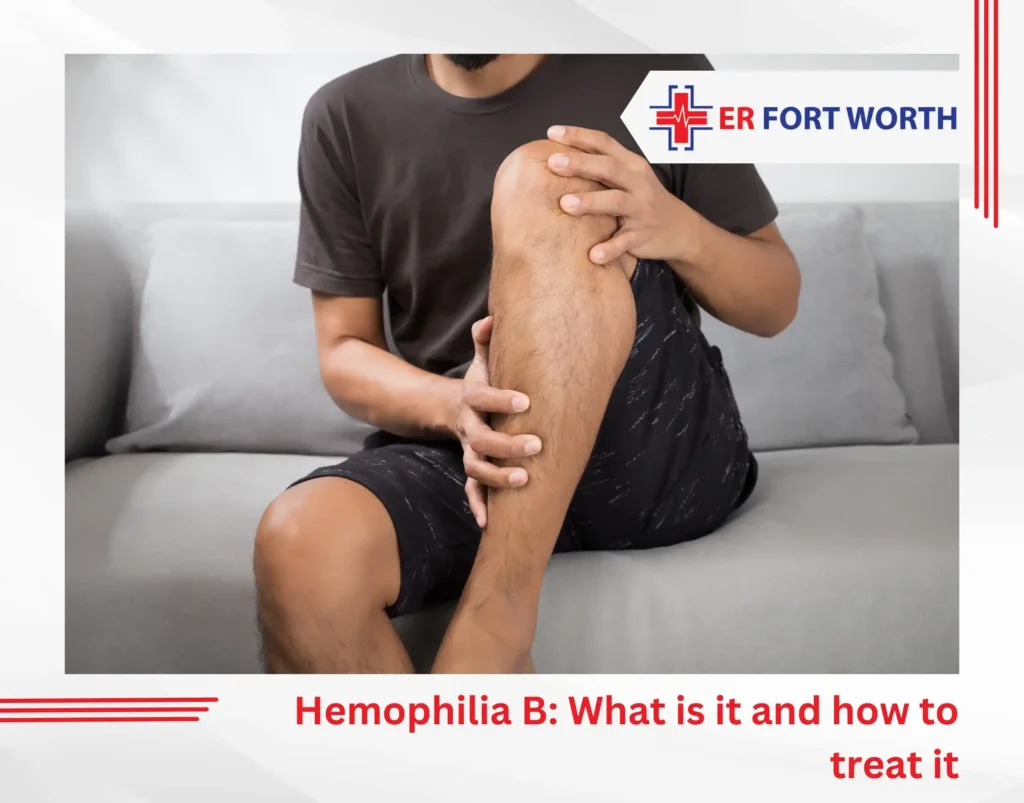
Hemophilia B is a rare but serious bleeding disorder that affects the body’s ability to form blood clots. People with this condition may bleed longer than normal after an injury, and in some cases, bleeding can occur internally without any obvious cause.
This comprehensive guide explains what Hemophilia B is, its causes, symptoms, severity levels, and the latest treatment options available.
What Is Hemophilia B?
Hemophilia B is a genetic disorder caused by a deficiency or absence of clotting factor IX, a protein essential for blood clotting. When this factor is missing or not functioning properly, the body cannot effectively stop bleeding.
It is sometimes referred to as “Christmas disease,” named after the first patient diagnosed with the condition.
Hemophilia B is much less common than Hemophilia A and primarily affects males, while females are usually carriers of the gene. However, females can occasionally experience symptoms as well and thus requires bleeding disorder treatment.
How Blood Clotting Works (And What Goes Wrong)
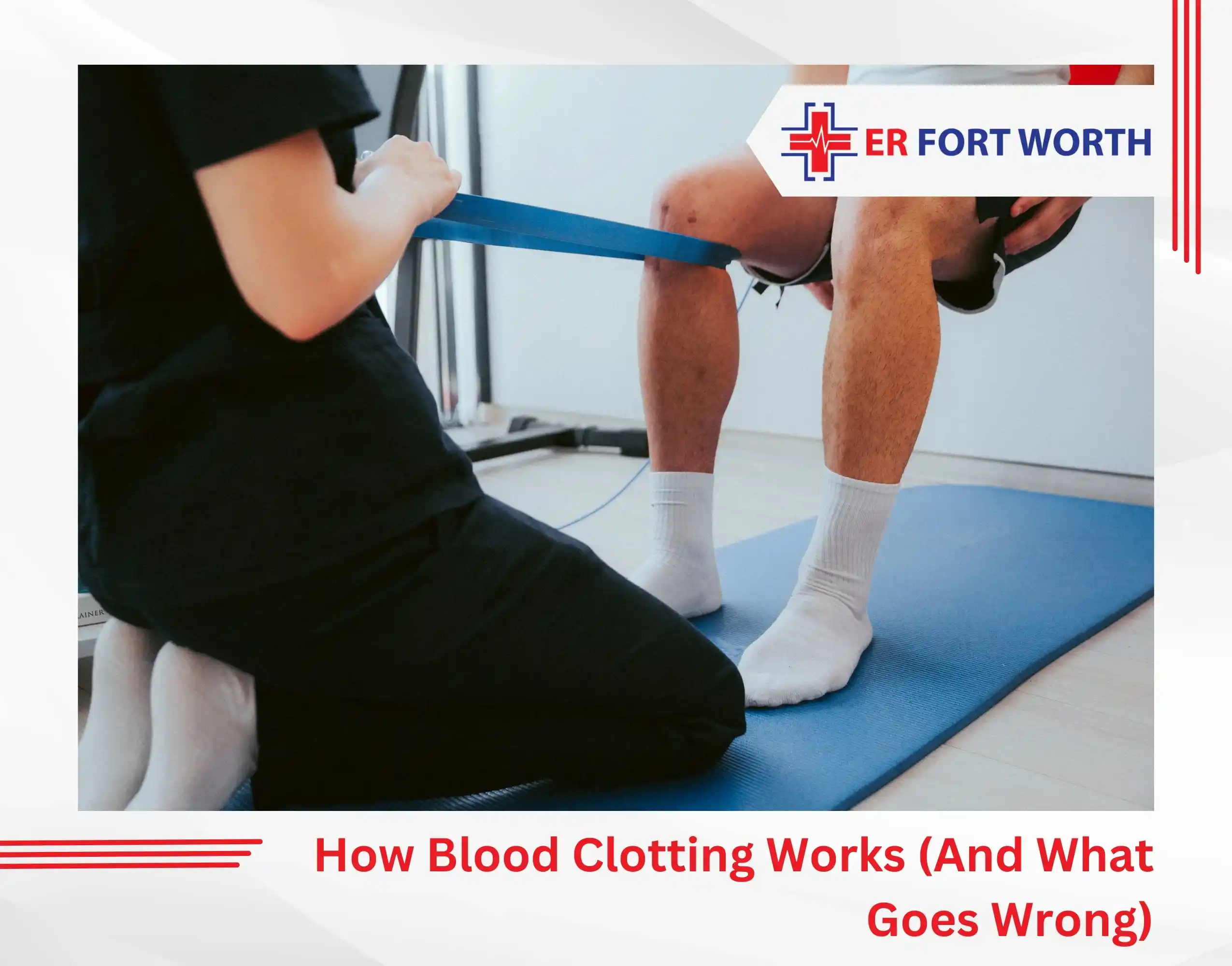
In normal circumstances during a blood vessel injury, the body initiates a cascade of clotting factors that then cooperate to create a clot and stem bleeding.
This process is impaired in Hemophilia B, as factor IX is absent or dysfunctional. This gives rise to a delay in clot formation or incomplete clotting, which causes prolonged bleeding or spontaneous internal bleeding.
Even slight injuries can become serious, and internal bleeding is common (and often in muscles or joints) that signature weakness. Thus blood clot treatment becomes important here.
Causes of Hemophilia B
Hemophilia B results from a mutation in the F9 gene that encodes for clotting factor IX. The mutation is often inherited and it has an X-linked recessive pattern.
Because males have only one X chromosome, inheriting the faulty gene results in the condition. Females, who have two X chromosomes, are typically carriers and may not show symptoms unless both copies of the gene are affected.
In rare cases, Hemophilia B can occur due to a new genetic mutation, even if there is no family history of the disorder.
Severity Levels of Hemophilia B
Hemophilia B can be mild, moderate or severe depending on how much factor IX exists in the blood as this condition is directly linked to factor IX deficiency.
Mild Hemophilia B
People with mild Hemophilia B have slightly reduced levels of factor IX. They may not experience frequent bleeding and often only have problems after surgery, dental procedures, or significant injuries.
Moderate Hemophilia B
Moderate cases involve lower levels of factor IX, leading to occasional spontaneous bleeding and more noticeable symptoms after minor injuries.
Severe Hemophilia B
In the more severe cases, they have almost no factor IX or none whatsoever. This leads to easy spontaneous bleeding, most often into joints and muscles, with or without injury. These cases require ongoing emergency bleeding care.
Common Symptoms of Hemophilia B
Symptoms range in severity, but generally consist of unusual or prolonged bleeding.
Prolonged Bleeding
Bleeding from cuts or injuries is usually prolonged. Even tiny wounds can be tricky to tame.
Easy Bruising
Individuals with Hemophilia B will also tend to have large or deep bruises from minor bumps or knocks.
Joint Bleeding (Hemarthrosis)
Bleeding into joints, most often in the knees, elbows and ankles is one of the most frequent yet dire symptoms. If left untreated, it can lead to pain, swelling, stiffness and permanent damage to joints.
Muscle Bleeding
They can bleed into the muscles, resulting in swelling, pain and restricted range of motion.
Internal Bleeding
In more extreme instances it could bleed internally, such as in the human head, a fatal bad health emergency.
Complications of Hemophilia B
Hemophilia B is a severe disease; if not treated properly, it can result in life-threatening complications.
Chronic joint injuries & arthritis can result due to the repeated episodes of bleeding in joints which limit form mobility as time passes and require orthopedic emergency immediately. Internal bleeding can also cause damage to organs or tissues and often does not show symptoms until it is extreme.
In rare cases, bleeding in the brain (intracranial hemorrhage) can occur, which is a medical emergency and requires immediate care.
How Hemophilia B Is Diagnosed
Diagnosis usually includes blood tests to measure the levels of the clotting factor and determine how well the blood clots.
Doctors may perform:
- Clotting factor assays to measure factor IX levels.
- Genetic testing to identify mutations in the F9 gene.
In families with a history of bleeding, early diagnosis is particularly critical for optimal management and prevention of complications.
How Is Hemophilia B Treated?
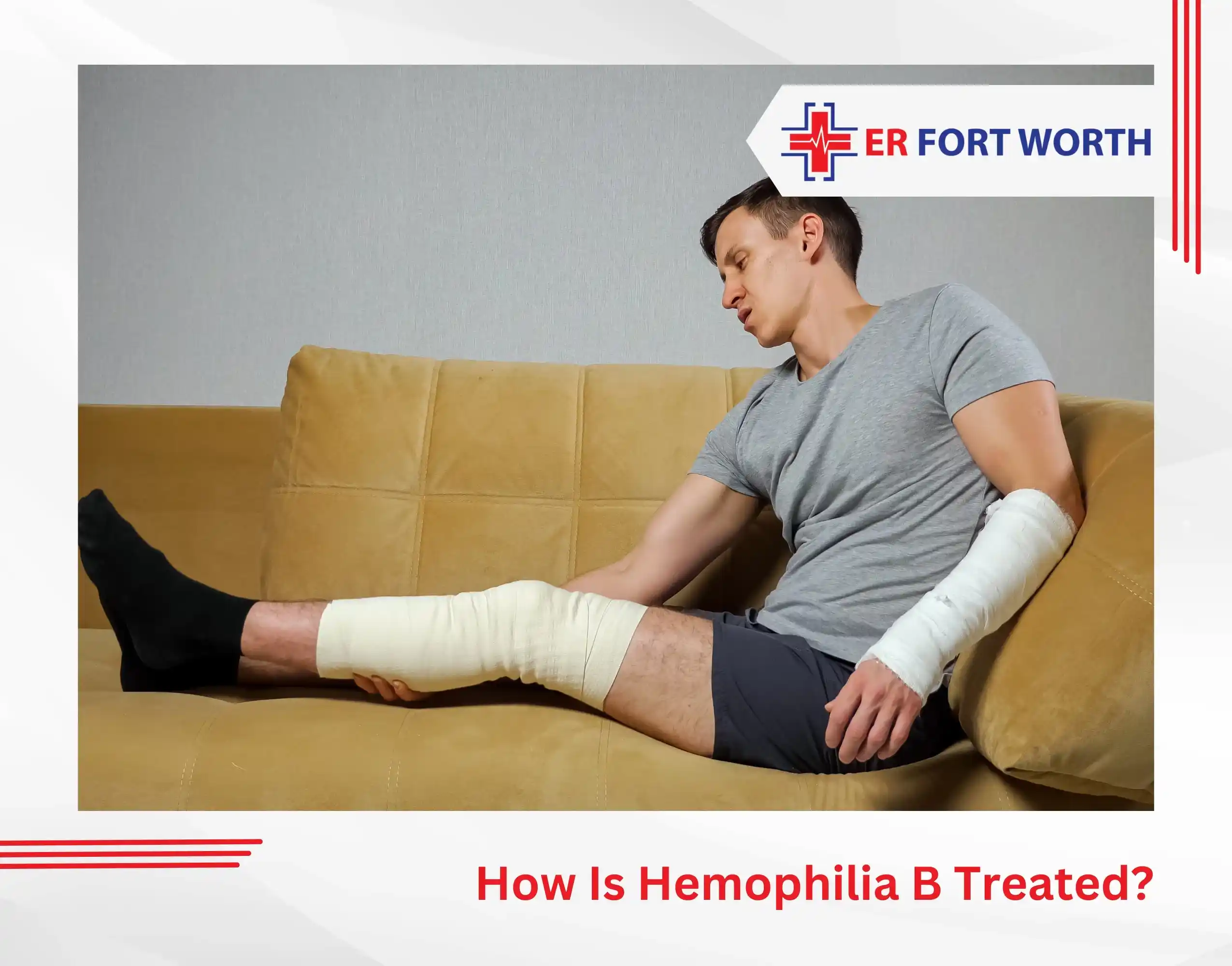
Hemophilia B has no definitive cure, however; modern treatment allows individuals to live dynamic and healthful lives. Treatment involves replacement of the absent clotting factor and avoidance of bleeding episodes.
Factor IX Replacement Therapy
The primary ER bleeding treatment for Christmas disease is the administration of clotting factor IX into the bloodstream so that blood clots properly.
There are two main approaches:
On-Demand Treatment
Factor IX is administered when bleeding occurs for rapid hemostasis.
Preventive (Prophylactic) Treatment
Infusions are routinely administered to prevent bleeding, before the bleeding process starts. This is most often used in moderate to severe cases and greatly lowers the risk of complications.
Extended Half-Life Therapies
Newer treatments use long-acting factor IX products, which stay in the body longer. This reduces the frequency of injections and improves quality of life for patients.
Gene Therapy (Emerging Treatment)
Gene therapy is a newer and promising approach that aims to introduce a healthy copy of the F9 gene into the body. This can help the body produce its own factor IX.
While still being studied and refined, gene therapy has shown the potential to significantly reduce or even eliminate the need for regular treatment in some patients.
Managing Bleeding Episodes
Treatment (besides factor replacement) may also include:
- Joint or muscle bleeding pain control.
- Joint Range of Motion Exercise Therapy.
- Minimizing activities that increase the risk of trauma.
Early treatment of bleeding episodes can reduce the risk for long-term sequelae.
How It’s Like To Live With Hemophilia B
With proper care, people with Hemophilia B can lead active lives. Regular monitoring, adherence to treatment, and awareness of symptoms are key to managing the condition effectively.
Lifestyle adjustments may include avoiding high-risk activities, maintaining good dental hygiene to prevent bleeding, and working closely with healthcare providers.
Education and support also play an important role, helping individuals and families understand how to respond to bleeding episodes and prevent complications.
When to Seek Emergency Care
Immediate medical attention or a visit to the nearest emergency room is necessary if a person with Hemophilia B experiences:
- Severe or uncontrolled bleeding.
- Head injury or signs of brain bleeding (headache, confusion, vomiting).
- Sudden swelling or pain in joints or muscles.
- Signs of internal bleeding.
Early intervention can prevent serious complications and improve outcomes.
Frequently Asked Questions
What causes Hemophilia B?
It is caused by a mutation in the F9 gene, leading to a deficiency of clotting factor IX.
Is Hemophilia B curable?
There is no permanent cure yet, but treatments can effectively manage the condition.
How is Hemophilia B treated?
The main treatment is factor IX replacement therapy, along with preventive care and emerging gene therapy options.
Can females have Hemophilia B?
Females are usually carriers, but they can sometimes experience symptoms.
Is Hemophilia B life-threatening?
It can be serious if untreated, especially due to internal bleeding, but proper treatment greatly reduces risks.