
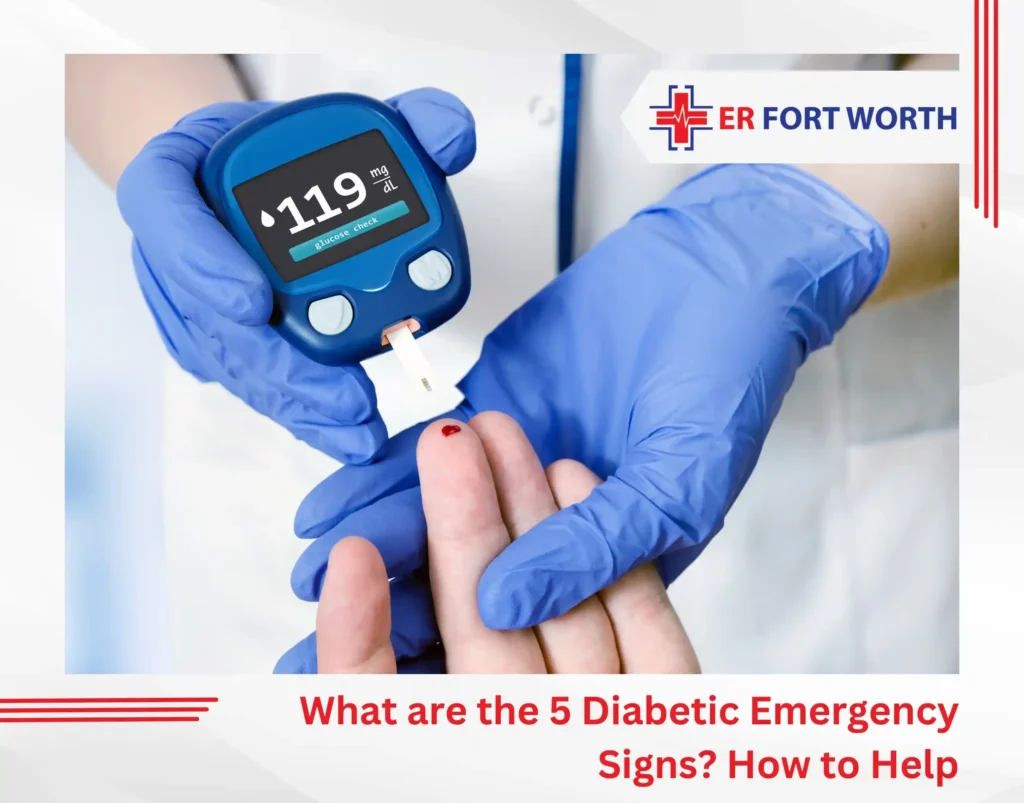
Diabetes can usually be managed with proper care, but in some cases, blood sugar levels can rise or fall dangerously, leading to a medical emergency. These situations can develop quickly and may become life-threatening if not recognized and treated in time.
Understanding the warning signs is critical because early action can prevent complications like seizures, coma, or even death. This guide explains the 5 key diabetic emergency signs, what they mean, and when to seek immediate medical help.
What Is A Diabetic Emergency?
A diabetic emergency occurs when blood sugar levels become too low (hypoglycemia) or too high (hyperglycemia), disrupting normal body function. These imbalances affect the brain, heart, and other vital organs, which is why symptoms can escalate rapidly.
If left untreated, severe cases can lead to diabetic ketoacidosis (DKA), hyperglycemic crises, or diabetic coma, all of which require urgent medical care.
Why Recognizing Warning Signs Is So Important
The body often gives early warning signs before a diabetic emergency becomes severe. Recognizing these symptoms early allows for quick intervention, which can prevent the condition from worsening.
Ignoring these signs can lead to complications such as:
- Loss of consciousness.
- Seizures.
- Severe dehydration.
- Organ damage.
- Diabetic coma.
Understanding what to look for can make the difference between a manageable situation and a life-threatening emergency.
5 Important Diabetic Emergency Signs You Should Know About
1) Confusion, Disorientation, or Difficulty Thinking
Change in mental function is one of the critical early indicators of a potential diabetic emergency. Glucose is an essential energy source for the brain to function properly. If blood sugar levels fall below minimum level, brain function stops.
A person may appear confused, forgetful, or unable to concentrate. They might struggle to follow conversations, respond slowly, or behave unusually. In some cases, their speech may become slurred, or they may seem disoriented, similar to someone who is intoxicated.
If this symptom is ignored, it can progress to severe confusion, unconsciousness, or even coma. Any sudden change in mental clarity in someone with diabetes should be taken seriously and addressed immediately.
2) Vague Vision or Sudden Changes in Your Vision
Another less common but alarming symptom of unstable blood sugars are vision problems. Elevated glucose can cause changes in the fluid in the eye affecting its lens and vision to appear blurred or distorted.
In cases of low blood sugar, the brain may not process visual information correctly, also resulting in temporary vision issues. A person may complain that things look blurry, double, or unclear.
These changes can occur suddenly and may come and go as blood sugar fluctuates. While they may seem mild at first, they often indicate a deeper imbalance that needs attention. Persistent or worsening vision problems should never be ignored.
3) Severe Weakness, Fatigue, or Excessive Sweating
Being out of breath or very tired is a major sign that the body is not getting the energy it needs. This is particularly true in hypoglycemia, where lack of fuel in the form of low blood sugar compromises bodily function.
A person may feel shaky, lightheaded, or unable to perform simple tasks. Sweating, even without physical activity, is another common symptom. This happens because the body releases stress hormones in response to low glucose levels.
In more advanced cases, weakness can become so severe that the person struggles to stand or stay awake. This stage requires immediate attention, as it can quickly lead to more serious complications.
4) Rapid or Irregular Heartbeat
Changes in heart rate are a strong indicator that the body is under stress. When blood sugar levels are too low or too high, the body releases hormones like adrenaline, which can cause the heart to beat faster or irregularly.
A person may feel their heart racing, pounding, or skipping beats. This is often accompanied by anxiety, trembling, or a sense of unease. While these symptoms may feel similar to panic attacks, they are actually signs of a metabolic imbalance.
If left untreated, this stress on the heart can worsen and contribute to more serious complications. A rapid or irregular heartbeat in someone with diabetes should always be evaluated promptly.
5) Seizures, Fainting, or Loss of Consciousness
This is one of the most dangerous symptoms of a diabetic emergency, and reflects that the disease has gone on for quite a long time. In fact, severely high or low blood sugar can interfere with the brain to such an extent that seizures and unresponsiveness result.
Someone collapses out of the blue, isn’t conscious, or has body movements they can’t control. In some instances this could even result in a diabetic coma, an emergency condition that can be fatal if not treated right away.
This stage is a medical emergency. Emergency or observation services should be contacted immediately, as delaying treatment can result in permanent damage or death.
Common Causes of Diabetic Emergencies
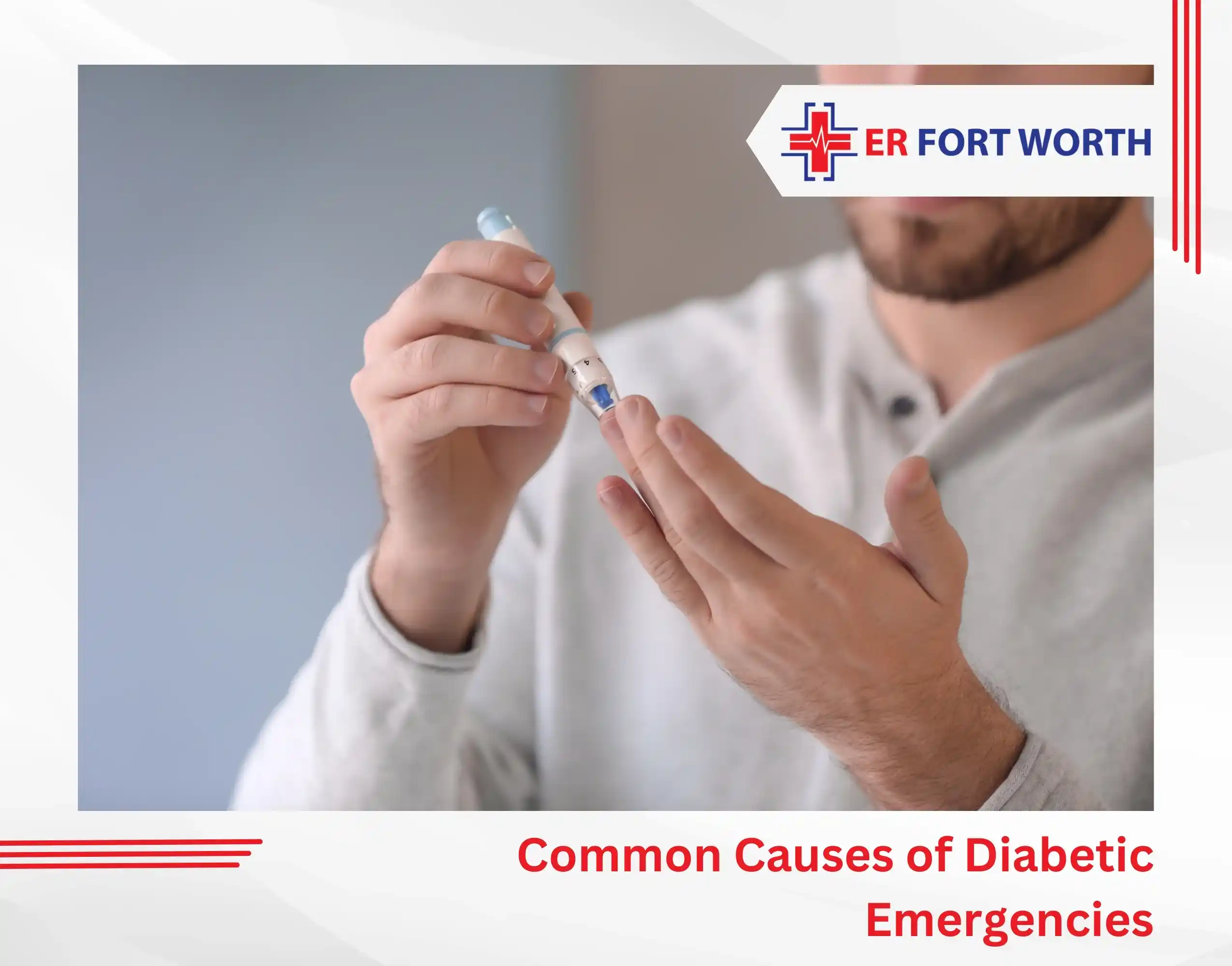
Diabetic emergencies can happen for several reasons, often related to how blood sugar is managed. Missing meals, taking too much insulin, or not taking enough medication can quickly disrupt glucose levels.
Illness and infections can also cause blood sugar to rise unexpectedly, while excessive physical activity without proper nutrition can lead to a sudden drop. Alcohol consumption may further complicate blood sugar control.
Understanding these triggers can help reduce the risk and prevent emergencies before they occur.
What To Do When You Catch These Signs
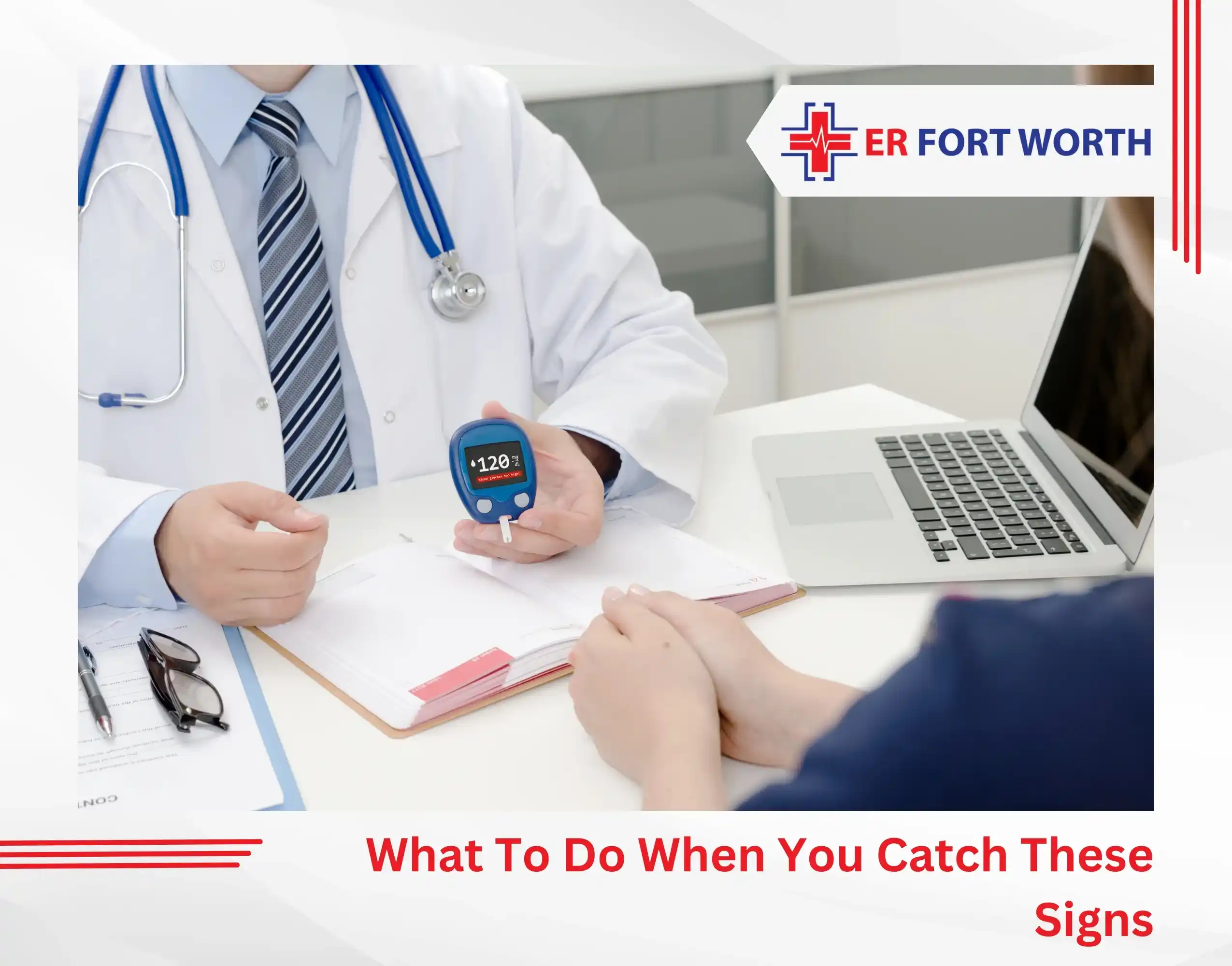
If you recognize any of these symptoms, taking quick action is essential. If possible, check blood sugar levels to determine whether they are too high or too low.
For low blood sugar, fast-acting carbohydrates such as juice or glucose tablets can help raise levels quickly. However, if symptoms are severe or the person is unable to respond, do not attempt to give food or drink.
In cases of confusion, seizures, or unconsciousness, seek emergency medical care immediately at the nearest emergency room for prompt treatment and prevention of serious complications.
Frequently Asked Questions
What is the first sign of a diabetic emergency?
Confusion or difficulty thinking is often one of the earliest warning signs, especially in low blood sugar situations.
Can diabetic emergencies happen suddenly?
Yes, blood sugar levels can change rapidly, causing symptoms to appear within a short time.
What should I do if someone has a diabetic seizure?
Call emergency services immediately and ensure the person is safe. Do not give food or drink if they are unconscious.
Are diabetic emergencies always caused by low blood sugar?
No, both low and high blood sugar levels can lead to emergencies.
Can diabetic emergencies be prevented?
Yes, regular monitoring, proper medication, and a healthy lifestyle can significantly reduce the risk.