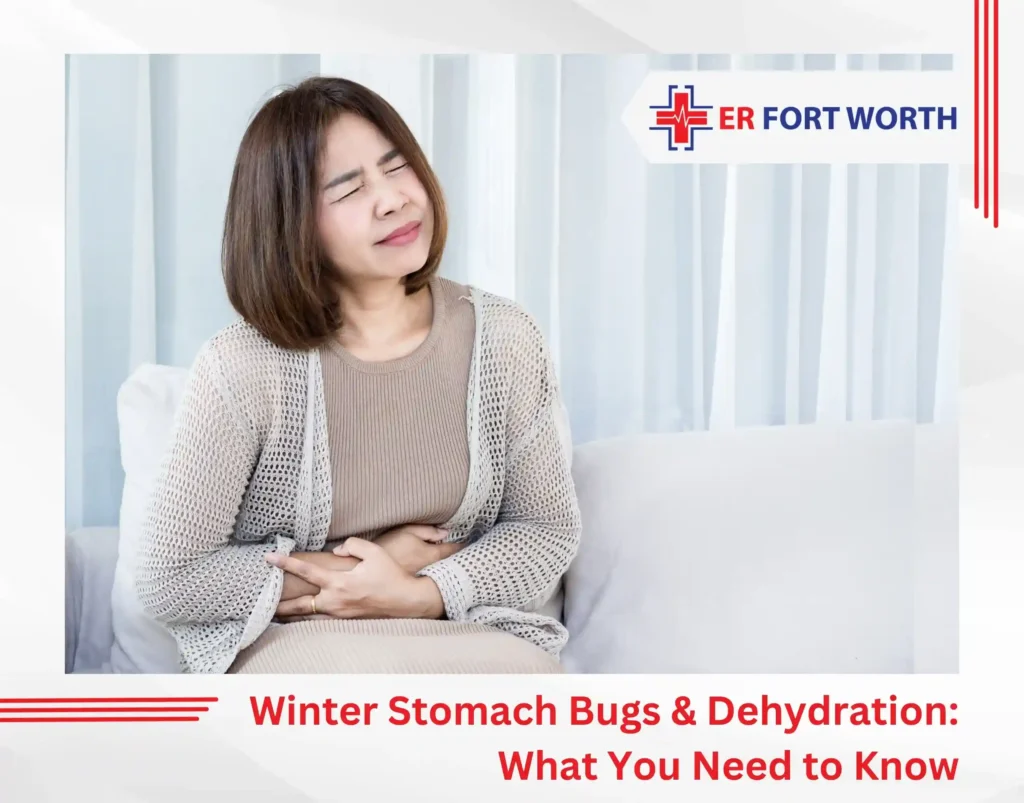
As the weather gets colder, many of us bundle up to avoid colds and flu, but another common winter ailment lurks beneath the surface: stomach bugs. These viral infections, also known as viral gastroenteritis, often spike in the winter months and can lead not just to unpleasant symptoms but also dehydration, especially in vulnerable individuals.
Understanding how stomach bugs work and how to prevent and manage dehydration can help you stay healthy all winter long.
What Are Winter Stomach Bugs?
Stomach bug is an informal term for infections that irritate the stomach and intestines, typically caused by viruses. The most common of these is norovirus, which is notorious for causing outbreaks in winter, particularly in close-quarters environments like schools, care homes, and families.
Other viruses, like rotavirus or adenovirus can also cause similar symptoms, but norovirus is the leading culprit in adults during the colder months.
Common Symptoms of a Stomach Bug
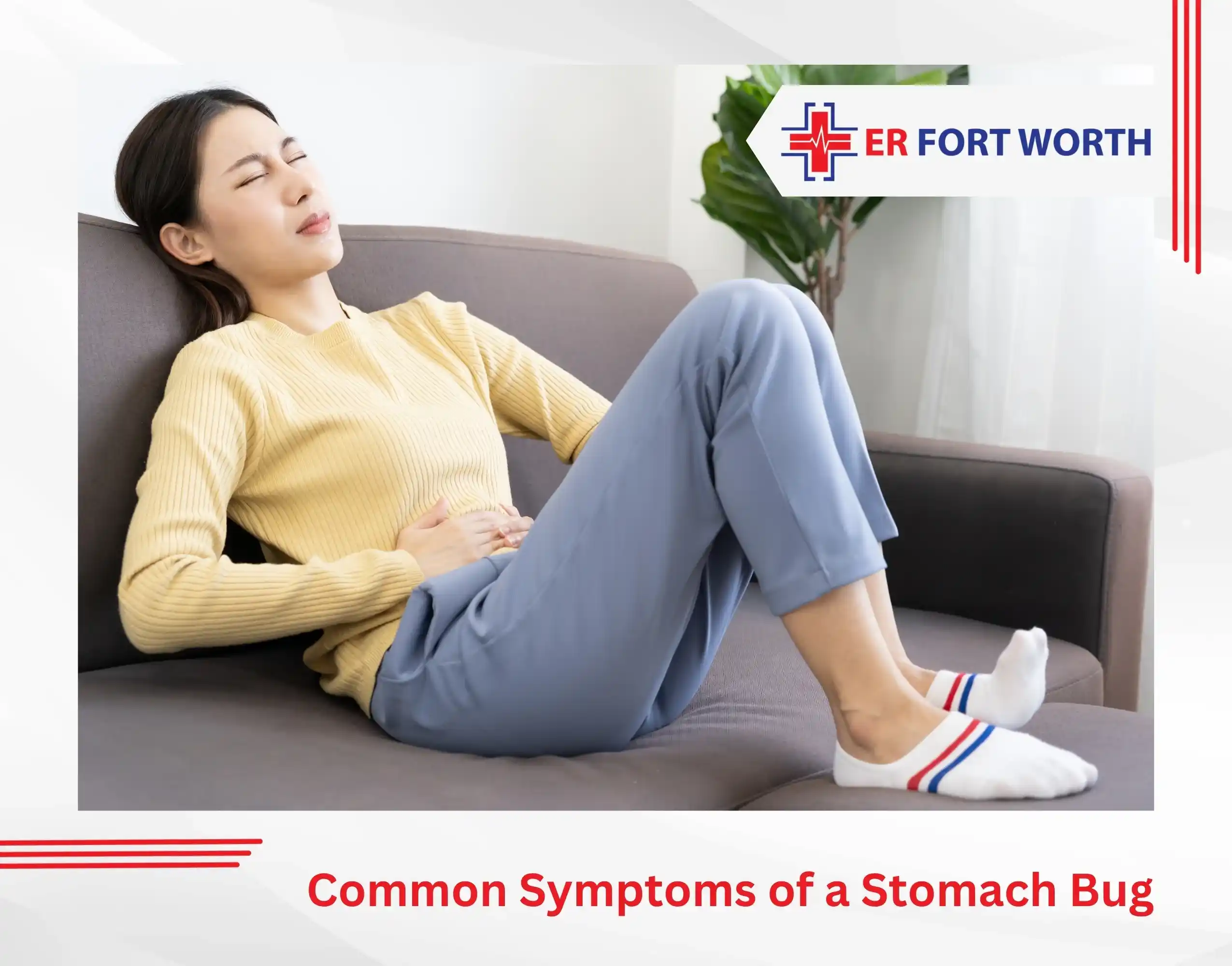
Winter bugs tend to come on suddenly and have the following:
- Nausea and vomiting.
- Diarrhea.
- Abdominal cramps.
- Low-grade fever.
- Muscle aches or headache.
Symptoms typically occur 12–48 hours following exposure, and last 1–3 days; some people may be unwell for up to one week.
Why Dehydration Is So Problematic
The worst part of a stomach bug isn’t typically the vomiting or diarrhea, it’s dehydration. You may also be thinking if winter stomach bugs & dehydration is related. Yes, they are in many ways.
Vomiting and diarrhea make your body lose water and key electrolytes (such as sodium, and potassium) more quickly than you can replace them. Once your body is dehydrated, it isn’t getting enough fluids.
Dehydration can occur rapidly, particularly in:
- Young children.
- Older adults.
- People with weakened immune systems.
- The person who can’t hang on to fluids.
It’s one of the most frequent causes that people with stomach bugs wind up in an urgent care center or 24/7 emergency room near them.
Signs & Symptoms of Dehydration
Look for these red flags, especially if vomiting or diarrhea is a common occurrence:
Early signs:
- Thirst.
- Dry mouth or throat.
- Dark yellow urine.
- Urinating less often than usual.
More concerning signs:
- Dizziness or lightheadedness.
- Rapid heartbeat.
- Shortness of breath.
- Very dry skin.
- Extreme weakness.
- Confusion or irritability.
- Sunken eyes
- Scanty or absent urination over several hours
If you develop any of these severe signs, you may have a severe case of winter stomach bugs & dehydration. Thus, you must consider visiting a doctor.
How To Stay Hydrated During A Stomach Bug
Sip Fluids Frequently
Small, frequent sips are usually better tolerated than trying to drink a lot at one time.
Start with:
- Water.
- Oral rehydration solutions (ORS).
- Clear broths.
- Water down sports drinks (not too strong).
Do not consume sweetened or caffeinated beverages during severe symptoms as they can exacerbate diarrhea.
Use Oral Rehydration Solutions (ORS)
ORS has the ideal mixture of water, salt and sugar to make it easier for your body to absorb fluids. These of course are very useful for young ones and older people.
Small, Non-Crushing Meals As Tolerated
Some bland foods to eat after vomiting include;
- Bananas.
- Rice.
- Applesauce.
- Toast.
- Plain crackers.
They can calm your belly and offer your body some gentle nourishment.
Take Appropriate Rest
Your body requires energy to battle the virus. Rest gives your digestive system a break from the stresses that it was under and supports its healing process.
When to Call for Medical Help or Go to the Emergency Room
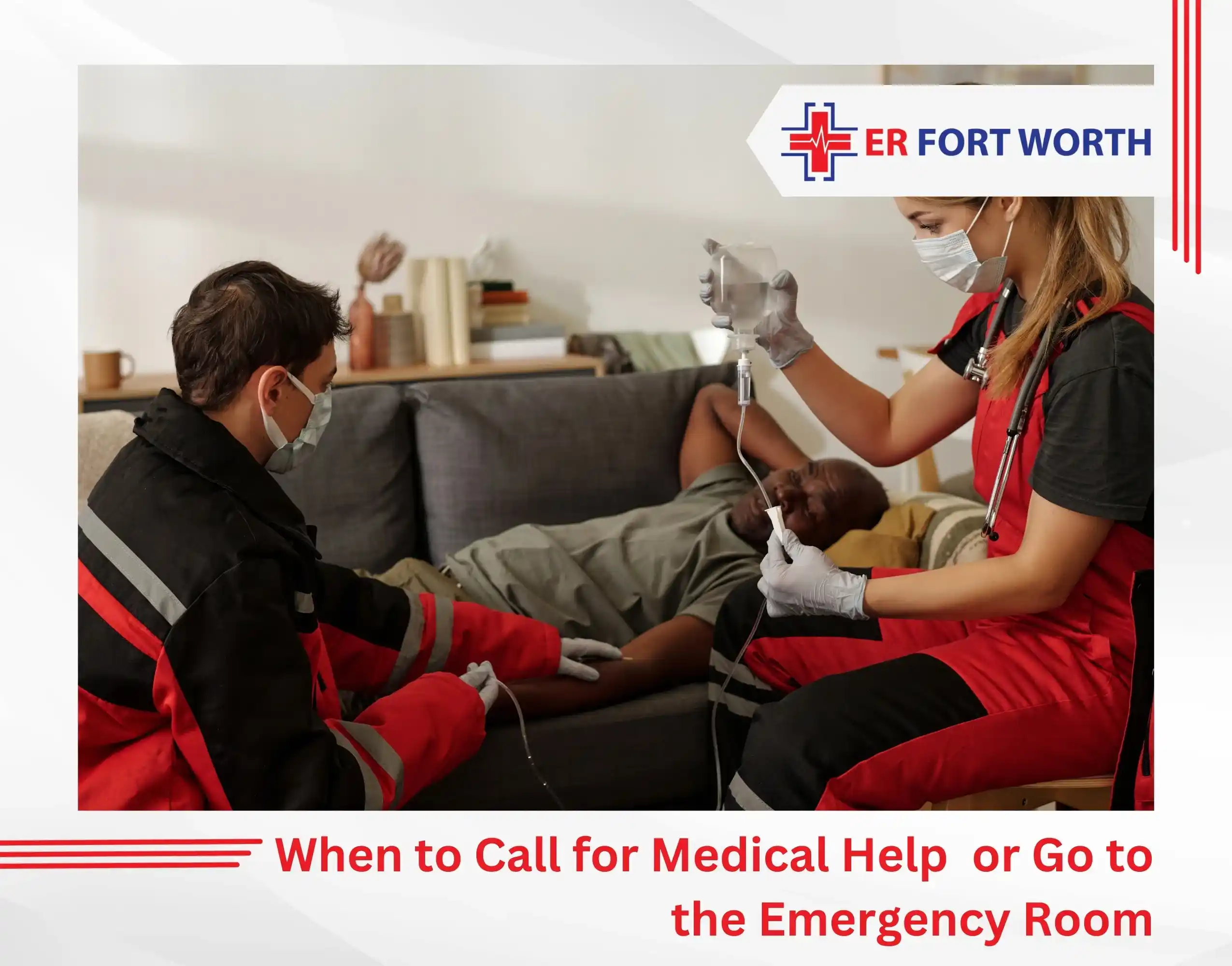
Most winter stomach bugs & dehydration will clear up at home, but you should get medical help if:
- Your body hasn’t been able to hold down water for over 24 hours.
- Symptoms of severe dehydration develop.
- Your vomit or stool contains blood.
- You have confusion, passing out or fast heartbeats.
- Your symptoms linger longer than three days.
Life-threatening dehydration and complications of vomiting or diarrhea may require medical fluids, testing and supportive care that require immediate medical attention from a doctor.
How To Avoid Having Stomach Bug
Preventing the bug from spreading is equally as important as treating symptoms.
Practice Good Hand Hygiene
Wash hands well with soap and water, especially after going to the bathroom and before eating. Hand sanitizers are certainly worthwhile, but soap and water works best against norovirus.
Keep Surfaces Clean
Disinfect frequently touched surfaces, such as doorknobs, countertops, phones and faucets with bleach-based cleaners whenever someone in the home is sick. Norovirus can live on surfaces for days, so it pays to be clean.
Avoid Close Contact With Those Who Are Infected
Norovirus is highly contagious. Remain at home when sick and refrain from sharing utensils, towels or close contact with others until a minimum of 48 hours after symptoms have resolved.
Why Winter Is the Peak Season for Stomach Bugs
Cold weather is an indoor force, and it drives people inside, where viruses transmit among close human contact and shared surfaces far more easily. The majority of norovirus outbreaks occur in the winter months and hit hardest between November and March in several areas.
Normal Course and Recovery
The majority of people with winter stomach bugs & dehydration start feeling better within a few days. The quick and effective remedy is to:
- Gradually increase fluid intake.
- Re-introduce smart foods into your diet.
- Maintain good hygiene to protect yourself and others.
If symptoms come back or get worse, reassess and seek medical advice.
Take Away
Winter stomach bugs like norovirus can be uncomfortable and contagious, but most cases improve with rest and proper hydration. The biggest risk is dehydration from vomiting and diarrhea, especially in young children, older adults, or vulnerable individuals.
Knowing how to prevent, recognize, and manage dehydration will help you recover faster and stay healthier throughout the season.
Frequently Asked Questions
Can stomach bugs cause dehydration even if I’m not vomiting?
Yes, diarrhea alone can lead to significant fluid loss and dehydration, especially if frequent or watery.
Are stomach bugs in winter the same as norovirus?
Norovirus is the most common cause of winter stomach bugs in adults, but other viruses can also cause similar symptoms.
How long are you contagious with a stomach bug?
You can spread the virus from the moment symptoms begin and for up to 48 hours after recovery, so continue good hygiene even after feeling better.
Is an oral rehydration solution better than water?
For mild dehydration, water is a good start, but ORS is superior when you’re losing lots of fluid and electrolytes because it improves absorption.
Should I go to the ER for dehydration?
Yes, if you can’t keep any fluids down, have severe signs of dehydration, confusion, or very little urine output, an ER visit is warranted.