
This shocks many people: gastroenteritis is highly contagious, and you still spread the virus even after your symptoms improve. When vomiting or diarrhea slows down, people assume the illness is over and return to normal life.
That’s the biggest reason gastroenteritis or stomach flu outbreaks explode so fast in close-contact places like cruise ships, homes, schools, and offices. You feel okay not knowing that you’re passing the infection.
You can prevent the spread of Gastrointestinal infection by knowing how long it lasts and when it’s safe to be around others again. Let’s understand the gap between symptom relief and full, non-contagious recovery, as well as when severe symptoms necessitate emergency care.
What Is Gastroenteritis?
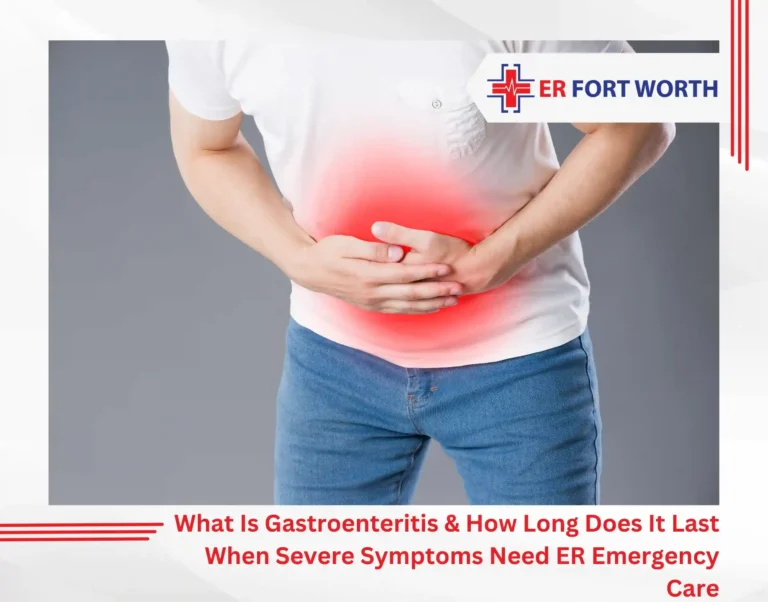
Gastroenteritis, commonly known as stomach flu, is an infection or irritation of the gastrointestinal tract (stomach and intestines). This inflammation interferes with normal digestion, leading to: diarrhea, vomiting, nausea, and abdominal pain. It affects people of all ages and is one of the most common causes of diarrhea illness worldwide.
What Causes Gastroenteritis?

- Viral infections (norovirus, rotavirus)
- Bacterial infections (Salmonella, E. coli, Campylobacter)
- Parasitic infections (Giardia)
- Non-Infectious Causes: Food intolerance (e.g., lactose intolerance), certain medications (antibiotics, NSAIDs), excessive alcohol consumption.
Viral gastroenteritis is the most common form and spreads easily.
Gastroenteritis vs. “Stomach Flu”
Despite the nickname, gastroenteritis is not caused by influenza viruses. The term “stomach flu” refers to gastrointestinal symptoms. Influenza primarily affects the respiratory system, while Gastrointestinal infection targets the digestive tract.
Common Symptoms of Gastroenteritis
Symptoms often appear suddenly and may range from mild to severe.
Typical Symptoms Include:
- Watery diarrhea
- Nausea and vomiting
- Abdominal cramps
- Fever or chills
- Headache and muscle aches
- Fatigue
In mild cases, symptoms are manageable at home. But persistent or worsening symptoms need an immediate trip to the ER.
How Long Does Gastroenteritis Last?
The duration of Gastrointestinal infection depends on the cause.
● Viral Gastrointestinal infection
Usually lasts 1–3 days, but some cases persist up to a week.
● Bacterial gastroenteritis
May last several days to over a week, especially without treatment.
● Parasitic infections
Can last weeks without proper therapy.
● Recovery Phase
Even after diarrhea and vomiting stop, fatigue and appetite loss may last several days as the digestive system heals.
Why Dehydration Risk is Common With Gastroenteritis?
One of the most serious complications of Gastrointestinal infection is dehydration, which is caused by diarrhea and vomiting.
Signs of Dehydration Include:
- Dry mouth or tongue
- Little or no urination
- Dark-colored urine
- Dizziness or lightheadedness
- Rapid heartbeat
- Extreme fatigue or confusion
Note: Severe dehydration is a medical emergency. It can affect blood pressure, kidney function, and heart rhythm.
When to Go to the ER for Gastroenteritis?
While many stomach bugs can be treated at home, certain symptoms require professional emergency care stomach bug.
- Nonstop vomiting or inability to keep fluids down
- Bloody diarrhea or black stools
- Signs of severe dehydration
- High fever (above 102°F / 39°C)
- Severe or worsening abdominal pain
- Confusion or fainting
- Diarrhea illness lasting more than 3 days
- Gastrointestinal infection symptoms in infants, older adults, or immunocompromised individuals
What Happens in the ER for Severe Gastroenteritis

Emergency care stomach bug focuses on stabilization and identifying complications.
ER Evaluation May Include:
- Vital sign and oxygen monitoring
- Blood tests to check electrolytes and kidney function
- Stool tests if a bacterial or parasitic infection is suspected
- Imaging if severe abdominal pain is present
Emergency Treatment May Include:
- IV fluids for dehydration
- Electrolyte replacement
- Antiemetic medications to stop vomiting
- Antibiotics (only if bacterial infection is confirmed or suspected)
- Hospital admission for severe cases
Early ER treatment can prevent kidney injury, heart rhythm problems, and worsening infection.
Who Is at Higher Risk for Complications?

Certain groups are more likely to develop severe illness from Gastrointestinal infection:
- Infants and young children
- Adults over age 65
- Pregnant individuals
- People with weakened immune systems
- Those with kidney, heart, or metabolic disease
For these individuals, earlier ER evaluation is safer even if symptoms seem moderate.
How to Prevent Gastroenteritis?
Although not all cases are preventable, risk can be reduced by:
- Washing hands frequently
- Practicing food safety
- Avoiding contaminated water
- Staying home when sick
- Keeping vaccinations up to date (e.g., rotavirus for infants)
Key Takeaway
Gastroenteritis is common, but severe symptoms are not normal. Persistent vomiting, bloody diarrhea, and dehydration risk require emergency care.
Fort Worth ER is the trusted medical facility of the community when Gastrointestinal infection symptoms become severe. We’re 24/7 available with onsite labs and imaging facilities. If there’s concern about a bacterial infection or another underlying issue, we can run tests on the spot and start treatment.
Trust your instincts: if symptoms feel intense, early ER care can be lifesaving.