
Chemical exposure is a serious medical emergency that can occur through inhalation, skin contact, eye exposure, or accidental ingestion. Depending on the substance, it can cause immediate injury to the lungs, skin, eyes, nervous system, or internal organs.
Even low-level exposure to toxic chemicals may lead to delayed but dangerous symptoms such as breathing difficulty, burns, dizziness, or neurological effects.
If you are searching for chemical exposure treatment in Fort Worth, you need immediate emergency evaluation and decontamination.
At ER of Fort Worth, we provide 24/7 emergency toxic exposure care, decontamination procedures, respiratory support, and rapid diagnostic testing with no wait times.
If chemical exposure is suspected, seek emergency care immediately.
Seek immediate ER care if exposure involves:
At ER of Fort Worth, chemical exposure is treated as a time-sensitive toxicology emergency.
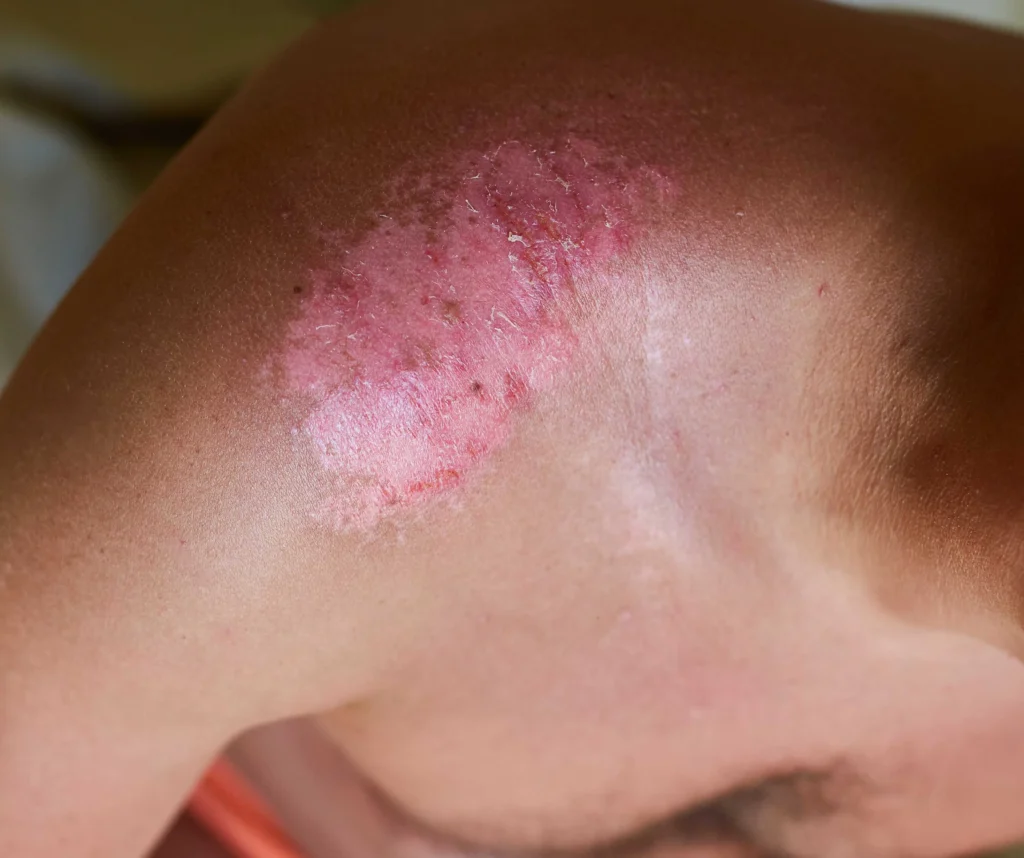
If you experience any of the following, go to ER of Fort Worth immediately:
Inhaled chemicals may damage airways and lungs.
Common after exposure to corrosive substances.
Direct contact can cause chemical burns or irritation.
May indicate toxic inhalation affecting the nervous system.
A sign of systemic chemical absorption.
May indicate lung irritation or toxic exposure.
Often caused by eye exposure to irritants or corrosives.
Can result from inhalation of toxic fumes.
A severe sign of high-level toxic exposure.
Chemical exposure requires immediate intervention to prevent tissue damage and systemic toxicity.
We follow a structured toxicology emergency protocol:
Rapid exposure evaluation.; Removal of contaminated clothing if needed.; Skin and eye irrigation (when required).; Vital signs and oxygen level monitoring.
Oxygen therapy for inhalation exposure.; IV fluids for systemic support.; Medication for symptom control (pain, nausea, inflammation).; Airway monitoring for respiratory distress.; Toxic exposure assessment and risk classification.
Fully-equipped on-site laboratory testing.; Blood works for organ function and toxins.; Respiratory assessment.; Imaging if internal damage is suspected.; Continuous monitoring for delayed reactions.

Chemical exposure cases require rapid response and specialized emergency care. At the ER of Fort Worth, we are equipped to handle toxic exposure emergencies immediately.
We provide:
Move to fresh air immediately and seek emergency medical care if symptoms appear.
Yes. Even mild exposure can cause delayed respiratory or skin complications.
Some chemicals can cause long-term lung irritation or damage if not treated quickly.
Decontamination, oxygen therapy, symptom management, and toxicology evaluation.
Yes. Symptoms can worsen over time even after initial exposure.
Need help?