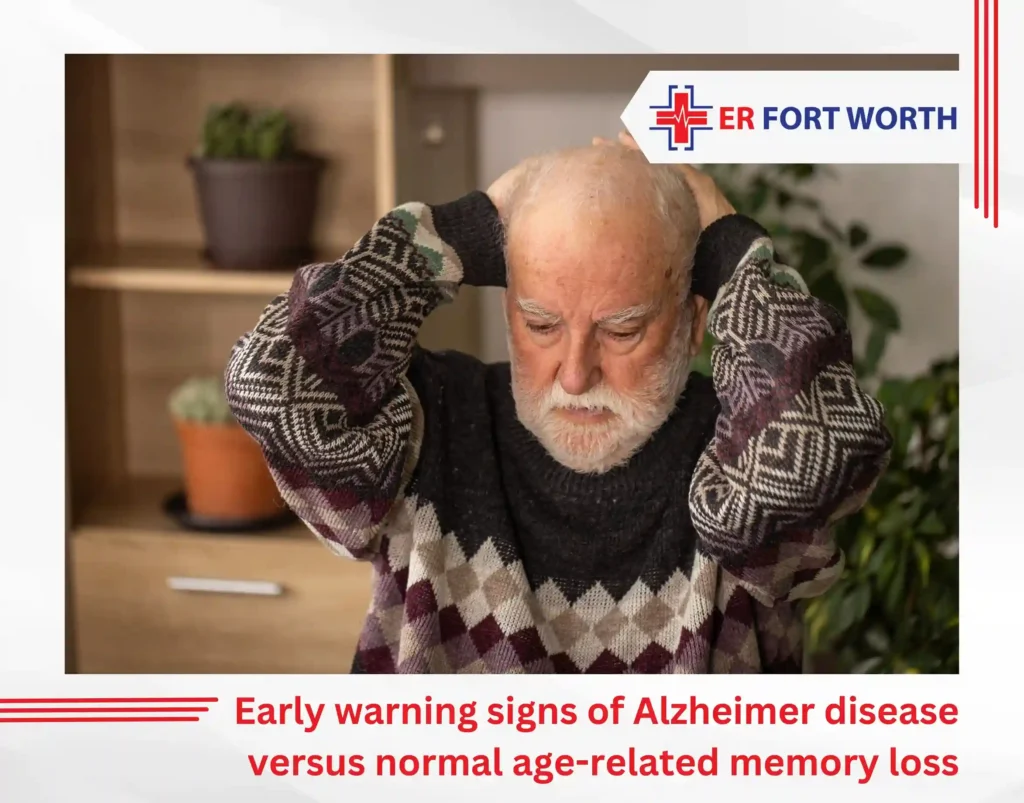
As people grow older, occasional forgetfulness becomes a natural part of life. Misplacing keys, forgetting names, or missing an appointment now and then is common. However, when memory problems begin to disrupt daily life, it may signal something more serious, such as Alzheimer’s disease.
Thus, it is important to understand the difference between normal aging and the signs of Alzheimer for early diagnosis, timely intervention, and better care planning.
What Is Alzheimer’s Disease?
Alzheimer’s disease is a progressive neurological disorder that affects memory, thinking, and behavior. Over time, it worsens and interferes with a person’s ability to carry out even simple tasks. According to a recent study, Alzheimer’s is the most common cause of dementia, accounting for 60–80% of cases.
Normal Age-Related Memory Loss: What’s Typical?
Before jumping to conclusions, it’s important to recognize what normal aging looks like.
Common Signs of Normal Aging:
- Occasionally forgetting names or appointments but remembering them later.
- Making minor errors while managing finances.
- Sometimes needing help with new technology (e.g., smartphone settings).
- Briefly forgetting a word but recalling it afterward.
These changes are usually mild and don’t significantly affect daily independence.
Early Signs of Alzheimer Disease
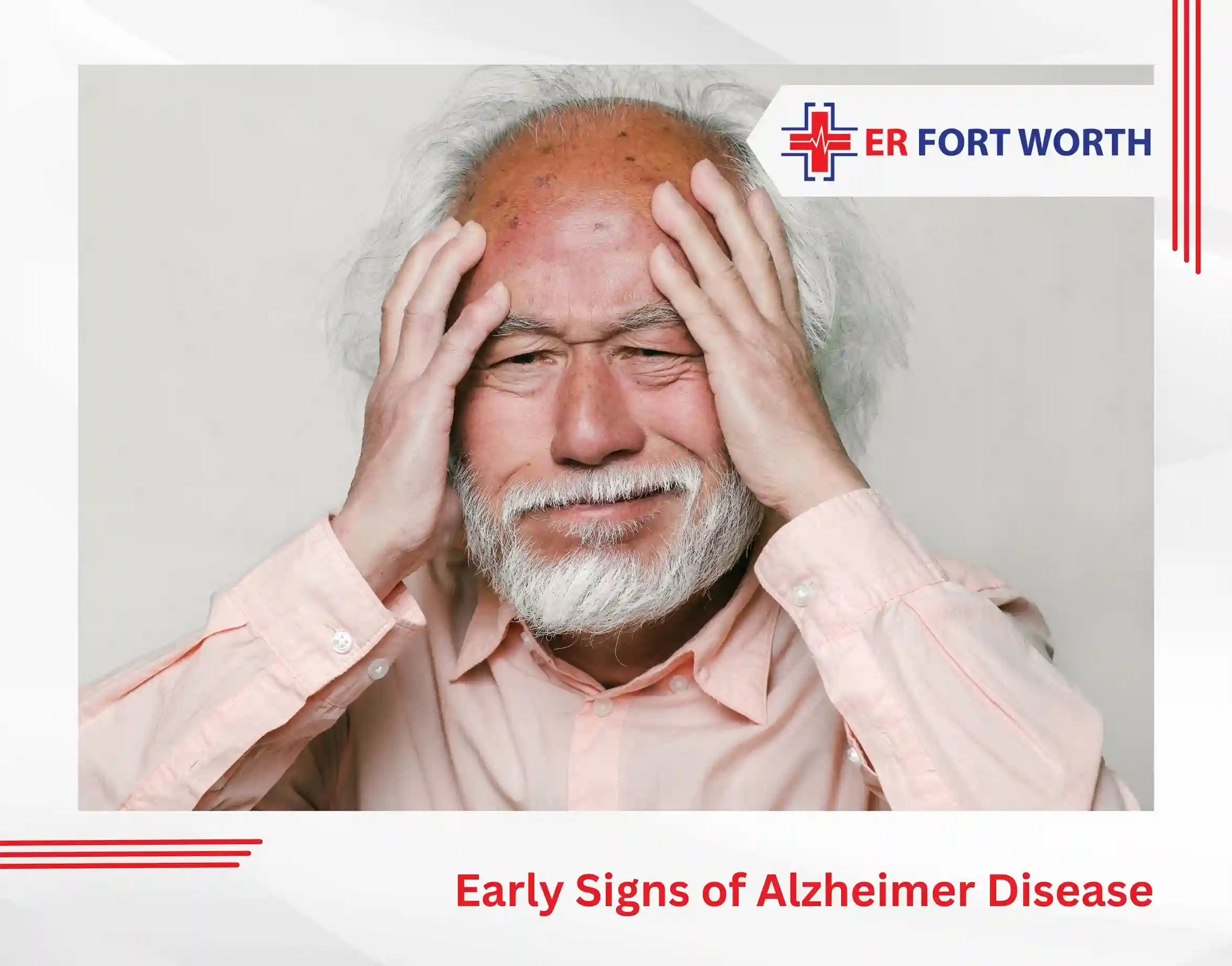
The signs of Alzheimer go beyond occasional forgetfulness. They tend to be persistent, progressive, and disruptive, needing proper observation at a decent healthcare facility.
Here are the most common early warning signs:
1. Memory Loss That Disrupts Daily Life
- Frequently forgetting recently learned information.
- Repeating questions or relying heavily on memory aids.
- Forgetting important dates or events.
2. Difficulty Planning or Solving Problems
- Trouble following familiar recipes.
- Difficulty managing bills or finances.
- Taking much longer to complete routine tasks.
3. Confusion with Time or Place
- Losing track of dates, seasons, or time.
- Forgetting where they are or how they got there.
4. Challenges in Completing Familiar Tasks
- Trouble driving to a known location.
- Difficulty organizing grocery lists.
- Struggling with daily routines.
5. Problems with Words in Speaking or Writing
- Stopping mid-conversation and not knowing how to continue.
- Repeating themselves frequently.
- Calling objects by incorrect names.
6. Misplacing Things and Losing the Ability to Retrace Steps
- Placing items in unusual locations (e.g., keys in the refrigerator).
- Being unable to retrace steps to find lost items.
7. Decreased or Poor Judgment
- Making poor financial decisions.
- Neglecting personal hygiene.
8. Withdrawal from Social Activities
- Avoiding hobbies, social events, or work projects.
- Losing interest in activities they once enjoyed.
9. Changes in Mood and Personality
- Becoming confused, suspicious, depressed, or anxious.
- Increased irritability or mood swings.
Key Differences: Alzheimer’s vs Normal Aging
| Aspect | Normal Aging | Alzheimer’s Disease |
| Memory Loss | Occasional | Frequent and disruptive |
| Daily Function | Mostly independent | Increasing difficulty |
| Communication | Minor word-finding issues | Frequent language problems |
| Decision Making | Mostly intact | Noticeable poor judgement |
| Orientation | Rare confusion | Frequent disorientation |
When Should You Be Concerned?

If memory issues:
- Interfere with daily activities.
- Worsen over time.
- Affect communication, judgment, or personality.
It’s time to consult a healthcare professional or visit the nearest 24/7 emergency room for timely evaluation and treatment.
Why Early Detection Matters
Recognizing the early signs of Alzheimer can make a significant difference:
- Allows for early medical intervention.
- Helps families plan financial and caregiving needs.
- Provides access to support services and clinical trials.
- Improves quality of life for patients and caregivers.
If something feels “off,” trust your instincts and seek professional guidance. Early action can lead to better outcomes and greater peace of mind.
FAQs
Is forgetfulness always a sign of Alzheimer’s?
No. Occasional forgetfulness is a normal part of aging. Persistent and worsening memory loss is more concerning.
At what age does Alzheimer’s usually begin?
Most cases occur after age 65, but early-onset Alzheimer’s can develop earlier.
Can Alzheimer’s be prevented?
There’s no guaranteed prevention, but a healthy lifestyle, regular exercise, balanced diet, and mental stimulation may reduce risk.