Carbon monoxide (CO) is a gas your body cannot detect on its own. When you breathe it in, it binds to your red blood cells far more aggressively than oxygen does, about 200 times more aggressively. Your blood stops carrying oxygen to your brain, heart, and other organs even though you’re still breathing. The result is suffocation from the inside, without a single warning sign your senses can pick up.
Why CO Poisoning Is So Often Missed
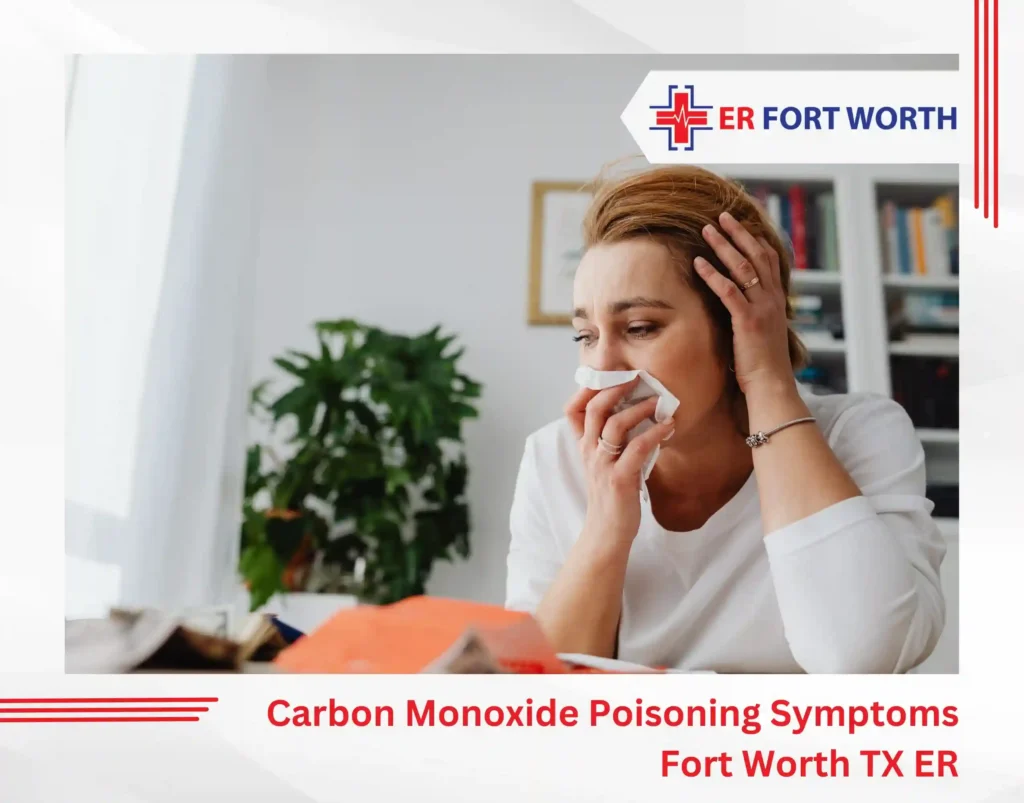
The early symptoms are vague, headache, fatigue, nausea, dizziness, mild confusion. They look like the flu, food poisoning, a migraine, or just “a bad day.” People take a nap thinking they’ll feel better. With ongoing exposure, that nap can become unconsciousness, and unconsciousness can become death.
Mild Symptoms (Early Exposure)
- Headache, often described as dull or throbbing
- Dizziness or lightheadedness
- Nausea, with or without vomiting
- Fatigue or unusual sleepiness
- Mild confusion or trouble concentrating
- Shortness of breath, especially with exertion
- Feeling like you’re coming down with the flu, but without fever
Moderate Symptoms (Significant Exposure)
- Severe headache
- Persistent nausea and vomiting
- Marked confusion or difficulty thinking clearly
- Blurred vision or vision changes
- Chest pain, particularly in those with heart disease
- Rapid heart rate and breathing
- Difficulty walking, loss of coordination
- Muscle weakness
Severe Symptoms (High Exposure or Prolonged)
- Loss of consciousness, even briefly
- Seizures
- Severe chest pain or heart attack symptoms
- Respiratory failure
- Coma
- Death, can occur within minutes at very high concentrations
Important, Long-Term Effects Even After Recovery
Some CO poisoning patients develop neurological symptoms days to weeks after the initial exposure, a phenomenon called delayed neurological sequelae. Memory problems, personality changes, difficulty concentrating, movement disorders, and depression can all appear later. This is one reason all moderate-to-severe CO exposures need ER evaluation, even if symptoms have already improved.
The Single Best Clue: Multiple People Sick at Once
If two or more people in the same building, and the pets, feel sick around the same time, suspect carbon monoxide. The flu doesn’t hit everyone in the house simultaneously. CO does.
2. Where Carbon Monoxide Comes From
CO is produced any time a fuel burns incompletely. The most common sources fall into a few clear categories:
Heating Systems
- Malfunctioning gas or oil furnaces, especially older units
- Blocked or cracked chimney flues
- Improperly vented water heaters
- Wood stoves or fireplaces with poor ventilation
- Space heaters, particularly unvented kerosene or gas heaters
Generators and Engines
- Portable generators run too close to (or inside) a building
- Cars or trucks left running in attached garages, even with the garage door open
- Boat engines on enclosed boats
- Power equipment like pressure washers or pumps run in enclosed spaces
Cooking Equipment
- Gas stoves or ovens used to heat a home
- Charcoal grills used indoors or in enclosed patios
- Camp stoves used in tents or RVs
- Improperly installed or vented commercial cooking equipment
Fires
- House fires, most fire deaths are from smoke inhalation and CO, not burns
- Smoke from nearby wildfires when ventilation is poor
Less Common but Important Sources
- Methylene chloride paint strippers, converts to CO inside the body
- Ice resurfacers, forklifts, and other indoor fuel-burning machines
3. Who Is at Highest Risk for CO Poisoning
Some groups are dramatically more vulnerable to CO than others, they get sicker, faster, and have worse outcomes from the same exposure level. If anyone in these groups is in a household where CO is suspected, treat it as urgent immediately.
Infants and Young Children
Children breathe faster and have smaller body mass than adults, so they accumulate CO faster and feel symptoms sooner. They’re also less able to describe what’s wrong. A child who suddenly becomes sleepy, irritable, or vomits in a building where adults feel mildly off is a serious signal.
Pregnant Women
The developing fetus is exquisitely vulnerable to CO. Fetal hemoglobin binds CO even more tightly than adult hemoglobin, and CO crosses the placenta freely. Pregnant women with even mild CO exposure should be evaluated promptly.
Older Adults
Aging cardiovascular systems and pre-existing heart or lung disease make seniors much more vulnerable to CO. What looks like mild flu in a 30-year-old can trigger chest pain or heart attack in a 70-year-old at the same exposure level.
People With Heart or Lung Disease
Heart disease (especially coronary artery disease), COPD, asthma, and other lung conditions all reduce the body’s tolerance for low oxygen. CO exposure can rapidly worsen these conditions.
Pets, Often the First Warning Sign
Cats and dogs have smaller body mass and faster respiratory rates than humans, so they often show CO poisoning symptoms before any person in the household. A pet that suddenly becomes weak, vomits, has seizures, or collapses, particularly if multiple pets are affected at once, is a powerful early warning. Get out of the building before checking on more people.
High-Risk Situations to Watch For
- Texas winter cold snaps, heater use spikes, especially older or unmaintained units
- Power outages, portable generators run too close to homes
- After ice storms, when families improvise heat sources like grills, gas stoves, or running cars
- Camping in cold weather, using stoves or grills inside tents or campers
- New homes or rentals where you don’t know the heating system’s history
- Any home without a working CO detector
4. What to Do Right Now If You Suspect CO Poisoning
Carbon monoxide kills quickly at high concentrations and slowly at lower ones. The right response is fast and orderly. Here’s the correct sequence:
Step 1, Get Everyone Out of the Building Immediately
Don’t try to find the source. Don’t shut off appliances. Don’t open windows and stay. Move everyone, including pets, into fresh outdoor air. The faster you’re away from the source, the less CO accumulates in the blood.
Step 2, Call 911
Tell them you suspect carbon monoxide poisoning. EMS will respond, fire department will check the home for CO concentration, and the patients can be transported to the ER. Do not drive yourself if you feel symptoms, impaired judgment is one of CO’s effects.
Step 3, Don’t Re-Enter the Building
Even briefly. Even to grab a phone or keys. Wait for firefighters to clear the building with a CO meter. CO concentrations can be lethal at levels that humans cannot detect.
Step 4, Note Important Information for the ER Team
- How long everyone was in the affected area
- Symptoms each person is experiencing and when they started
- Possible source, generator location, heater type, recent power outage, etc.
- Whether anyone lost consciousness, had chest pain, or had seizures
- Whether pets were affected and how
- Pregnancy status of any female household members
- Known heart or lung conditions in anyone exposed
Step 5, Don’t Let Anyone “Sleep It Off”
CO poisoning patients often want to lie down and rest. That sleep can become unconsciousness. Get everyone evaluated, even the ones who feel “mostly better” once outside.
If a Smoke or CO Alarm Goes Off
Treat the alarm as real. Get out, call 911 or the gas company, and don’t go back in until the building is cleared. Most modern CO alarms only sound at dangerous levels, a false alarm is rare.
5. How ER of Fort Worth Evaluates and Treats CO Poisoning
When a patient arrives with suspected CO exposure, our team works through a structured evaluation designed to confirm the diagnosis quickly and start treatment fast. The standard pulse oximeter on your finger can’t detect CO, it shows normal oxygen levels even when the blood is full of carbon monoxide. So testing has to be specific.
Immediate Triage and 100% Oxygen
Within minutes of arrival, every suspected CO patient is placed on 100% oxygen via a non-rebreather mask. This is the single most important treatment, and it starts before any test results come back. High-flow oxygen accelerates the body’s clearance of CO from the blood.
Specialized Blood Testing
A venous or arterial blood sample is sent for carboxyhemoglobin (COHb) level, the gold standard test for CO poisoning. This measures exactly how much CO is bound to your red blood cells. Levels above 10% confirm meaningful exposure; levels above 25% indicate severe poisoning.
Cardiac and Neurological Evaluation
- EKG to identify cardiac strain or signs of heart attack from CO
- Cardiac biomarkers (troponin) for chest pain or known heart disease
- Neurological exam to assess confusion, weakness, or coordination problems
- Pregnancy testing in women of reproductive age, pregnancy changes the treatment threshold
Other Lab Work
- Complete blood count and metabolic panel
- Lactate level, elevated in severe tissue hypoxia
- Drug screen if mixed exposure is possible
Hyperbaric Oxygen Therapy, When Needed
For severe CO poisoning, high COHb levels, loss of consciousness, neurological symptoms, pregnancy with significant exposure, hyperbaric oxygen therapy can dramatically reduce the risk of long-term neurological problems. This treatment is provided at specialized facilities; we coordinate immediate transfer when criteria are met.
Disposition and Follow-Up
Mild cases improve with 100% oxygen over several hours and are typically discharged the same visit. Moderate and severe cases may need hospital admission for continued monitoring, particularly to watch for delayed neurological symptoms. All patients receive instructions about recognizing late-developing symptoms, CO detector installation, and follow-up neurological evaluation if needed.
Frequently Asked Questions
How can you tell CO poisoning from the flu?
The biggest clue is that CO poisoning doesn’t cause fever. If multiple people in the same building feel “flu-like” without fever, and especially if pets are also affected, suspect CO. Symptoms that improve dramatically when you leave the building and return when you come back are another major clue.
Will a regular pulse oximeter detect CO?
No. The pulse oximeter on your finger can’t distinguish CO-bound hemoglobin from oxygen-bound hemoglobin, it shows normal readings even when CO levels are dangerously high. Only specialized blood testing (carboxyhemoglobin level) confirms CO poisoning.
How quickly does CO poisoning kill?
It depends on concentration. At very high concentrations, from running a car in a closed garage or a major furnace failure, death can occur within minutes. At lower concentrations, symptoms develop over hours. There is no safe level of ongoing exposure.
Is there long-term damage from CO poisoning even after recovery?
Sometimes, yes. Delayed neurological sequelae can appear days to weeks after recovery, memory problems, personality changes, difficulty concentrating, movement disorders. This is why moderate-to-severe CO exposures need ER evaluation even when symptoms seem to have resolved with fresh air.
How can I prevent CO poisoning at home?
- Install CO detectors on every floor and outside sleeping areas
- Test CO detector batteries twice a year, same schedule as smoke detectors
- Have heating systems professionally inspected each year before winter
- Never run generators inside, in garages, or near windows or vents
- Never use a gas stove or oven for heat
- Never run a car in an attached garage, even with the door open
- Never use charcoal grills or camp stoves indoors
Should I bring my CO detector if it’s sounding?
No, get out of the building first. Call 911 and the gas company from outside. The detector’s job is to alert you to a dangerous level. Trust it.
Will my insurance cover the ER visit?
Yes, under federal EMTALA law, emergency visits are covered based on presenting symptoms, not the final diagnosis. Suspected CO exposure is a clear emergency presentation. We accept most major commercial insurance. We do not currently accept Medicare or Medicaid.
Suspect Carbon Monoxide? Get Out. Get Air. Get Evaluated.
The most dangerous thing about carbon monoxide is how easily it’s mistaken for something else. When you finally know what’s happening, every minute already counts. Don’t investigate. Don’t open windows and wait. Don’t “see how you feel after a nap.” Get out, call 911, and let the ER team confirm and treat.
⚠ EMERGENCY: For active CO exposure, multiple sick household members, alarm sounding, generator nearby, headache plus nausea, get out, then call 911. Do not stay inside.
📍 Address: 4561 Heritage Trace Pkwy, Suite 117, Fort Worth, TX 76244
📞 Non-emergency line: +1 817-945-4200
🌐 Website: eroffortworthtx.com
🕐 Hours: Open 24/7, every day, every hour, every holiday
For suspected exposure that’s already resolved, lingering symptoms, or questions about whether to come in, walk into ER of Fort Worth at any hour or call +1 817-945-4200. On-site lab, EKG, oxygen, and board-certified emergency physicians on every shift.
Medical Disclaimer
This article is for informational purposes only and is not a substitute for professional medical advice, diagnosis, or treatment. Always seek the advice of a qualified emergency physician or other healthcare provider with any questions regarding a medical condition. If you suspect carbon monoxide poisoning, leave the building, call 911, and seek emergency evaluation immediately.